
The Lease-End Inspection Guide: How to Avoid Massive "Excess Wear" Fees
The difference between a "normal" scratch and a $200 fee is often just a few millimeters. Discover how to prep your car for a lease-end inspection and save hundreds on repairs.
Intro
Leasing companies don't expect a car to return in showroom condition, but they do expect it to be "marketable." The problem is that "normal wear" is a subjective term that varies by manufacturer. While a small scuff might pass on a Ford, that same mark could trigger a $200 surcharge on a BMW. By understanding the "Credit Card Test" and the power of the pre-inspection, you can identify and fix potential red flags before they become non-negotiable line items on your final bill.
The "Credit Card Test" for Body Damage
Most major leasing companies in 2026 use a simple standard for dents and scratches: the size of a standard credit card. Generally, if a scratch is shorter than the long side of a credit card and hasn't penetrated the paint down to the metal, it is considered normal wear. Dents are usually "safe" if they are smaller than a quarter (about 1 inch). However, if you have multiple dings on a single panel, inspectors often "stack" the charges. A professional Paintless Dent Repair (PDR) session typically costs $75–$150, whereas a leasing company might bill you $200+ per dent. Handling these small fixes independently is almost always the cheaper route.
Tires, Glass, and the "Driver’s Line of Sight"
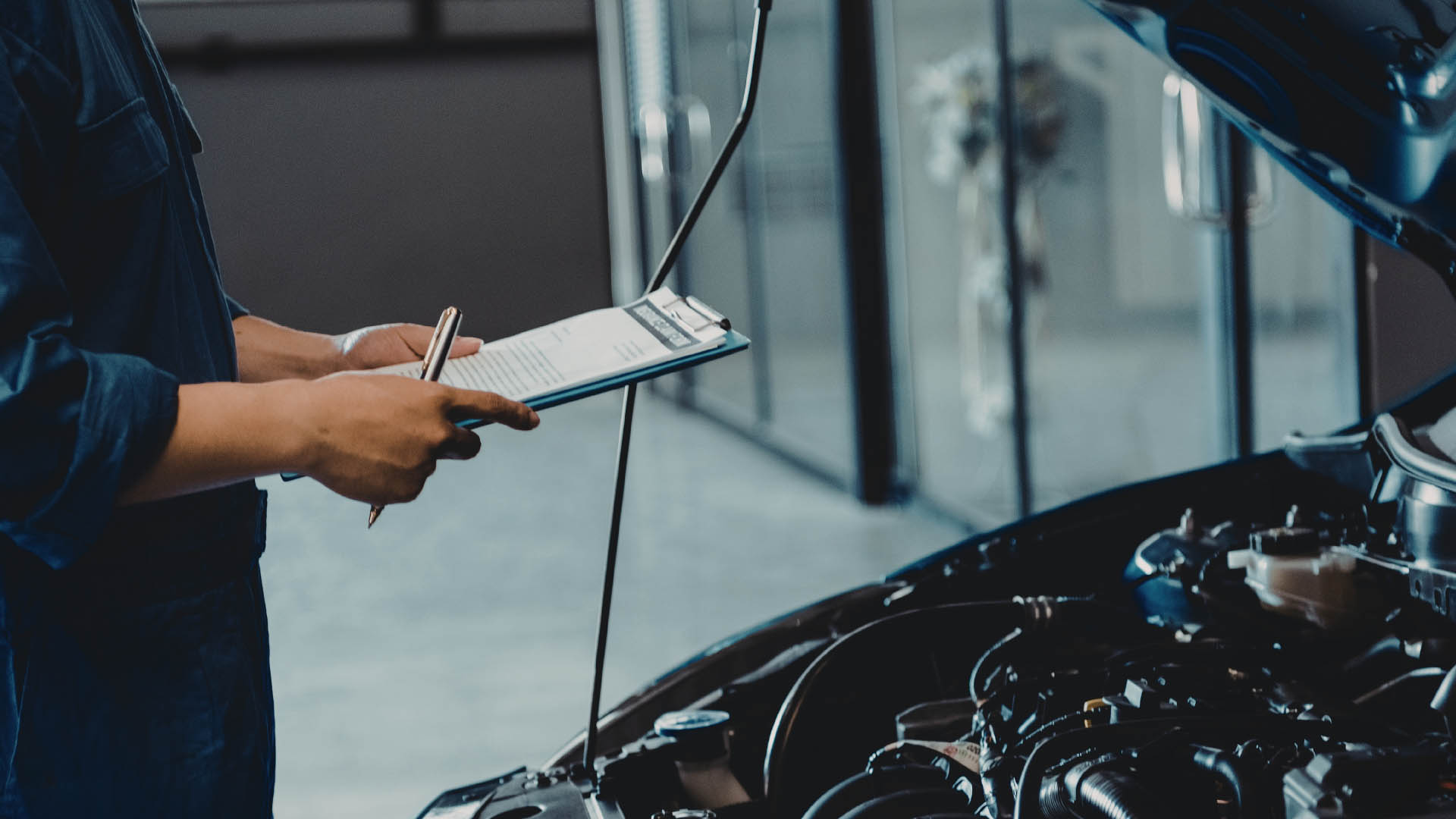
Safety components are the most scrutinized items during a lease-end inspection. Tires must typically have at least 4/32 of an inch of tread depth to pass; if they are lower, you’ll be charged for a full new set at retail prices. Similarly, windshield chips are often acceptable unless they are in the "driver’s line of sight" or are larger than a quarter. With the rise of 2026 ADAS technology, replacing a cracked windshield now requires expensive camera recalibration. If you have glass coverage on your insurance, it is far better to replace the windshield through your own provider than to let the dealership bill you for the high-tech reset later.
The Secret Weapon: The Complimentary Pre-Inspection
The biggest mistake most lessees make is skipping the optional pre-inspection. Usually offered 45–60 days before your lease maturity date, this "no-stakes" inspection gives you a detailed report of exactly what the company intends to charge you for. This window is your golden opportunity. You aren't obligated to fix anything the inspector flags, but it gives you the "shopping list" you need to visit an independent body shop or detailer. Often, a $150 professional interior detail can erase "excessive" upholstery stains that would have cost you $500 in seat replacement fees at the dealership.
Conclusion
A successful lease return is all about taking away the inspector's reasons to say "no." By cleaning the car thoroughly, ensuring both key fobs are present, and fixing "credit card-sized" damage on your own terms, you transform the return from a stressful financial gamble into a simple hand-off. Remember: the leasing company is looking for a car they can put back on the lot immediately. If you make it easy for them, they’ll make it easy on your wallet.
To ensure a smooth lease return and avoid unexpected fees, taking care of minor body damage and professional paint matching beforehand can save you significant money in the long run CLICK HERE
Frequently Asked Questions
Do I have to return the car to the same dealer where I got it?
No. In most cases, you can return your leased vehicle to any authorized franchise dealer for that specific brand. However, it is a good idea to call ahead and schedule a "lease-turn-in appointment" to ensure an authorized inspector is on-site to sign off on the car’s condition.
What happens if I’m over my mileage limit?
Mileage penalties in 2026 typically range from $0.15 to $0.30 per mile. If you are significantly over your limit, it may be more cost-effective to buy out the lease or trade the car in toward a new purchase, which often allows you to "wash" the mileage overage rather than paying the penalty out of pocket.
What if I have "Excess Wear and Use" protection?
If you purchased a protection plan at the start of your lease, you are usually covered for $5,000 to $7,500 in damages. However, these plans rarely cover "missing equipment" like key fobs or cargo covers. Always check your specific policy to see if you still need to address mechanical issues or missing accessories before turn-in.
Need hail or collision repair in Abilene?
Get a free estimate today. We work directly with your insurance company and back every repair with our lifetime paint warranty.
Related Articles
 Blog
Oct 16, 2026
Is it Safe to Buy a Car with a "Rebuilt" or "Salvage" Title?
A "rebuilt" title can save you 40% on a car, but is it actually safe? Discover the red flags of salvage vehicles and why the "reason for the total" is the most important factor.
Read Article Blog
Oct 9, 2026
How a Professional Detail After a Repair Can Boost Your Resale Value by 10%
A clean car is a valuable car. Learn how professional paint correction and interior restoration can provide a 4x return on investment when it's time to sell your vehicle.
Read Article Blog
Sep 25, 2026
Fleet Maintenance for Abilene Businesses: Minimizing Downtime After a Wreck
A wrecked fleet vehicle is a parked paycheck. Discover the strategies West Texas businesses use to minimize repair delays and protect their brand after a collision.
Read Article