
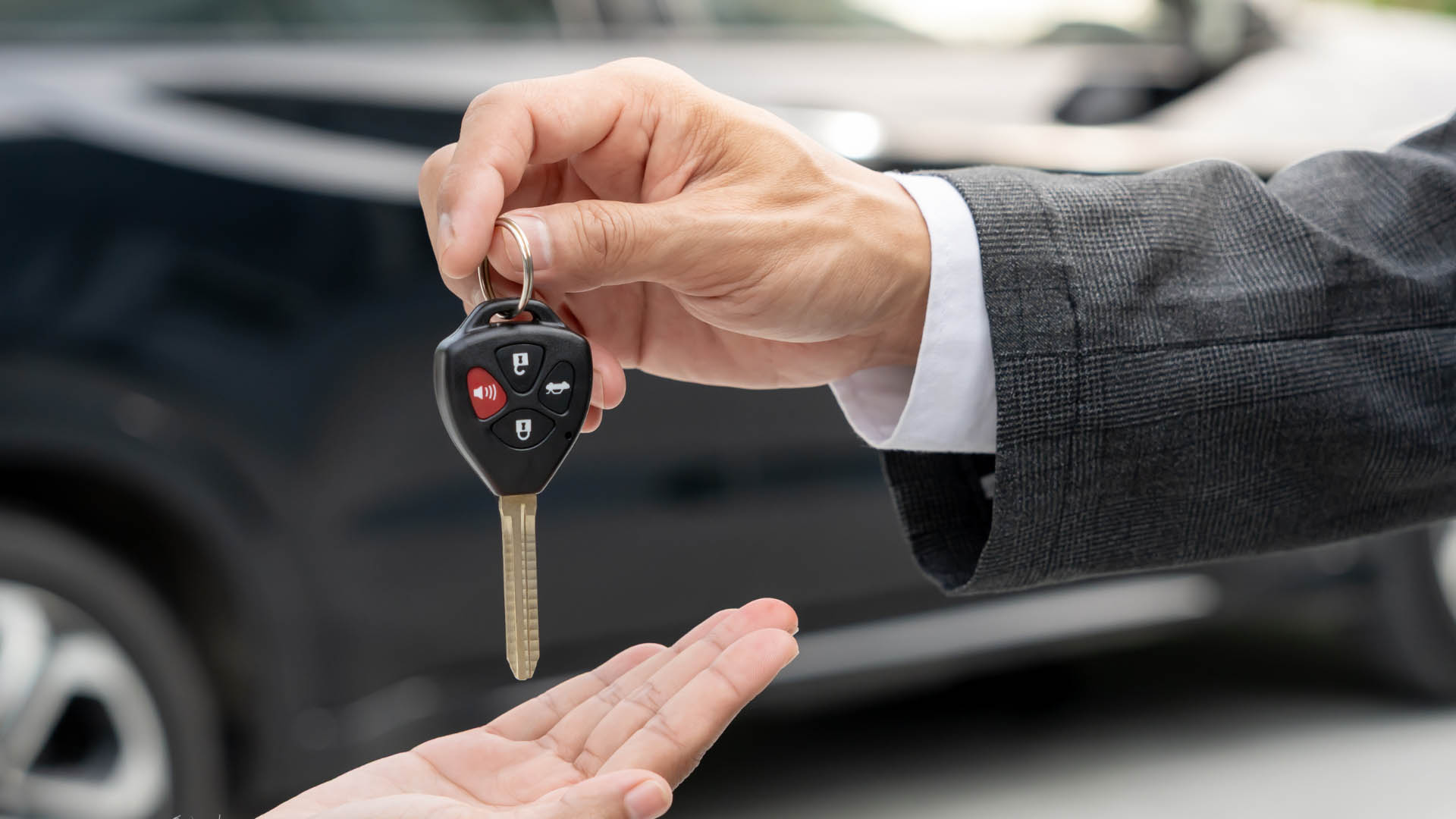
Is it Safe to Buy a Car with a "Rebuilt" or "Salvage" Title?
A "rebuilt" title can save you 40% on a car, but is it actually safe? Discover the red flags of salvage vehicles and why the "reason for the total" is the most important factor.
Intro
The difference between a "Salvage" and "Rebuilt" title is a matter of legal roadworthiness. A Salvage Title is issued when an insurance company declares a car a "total loss"—meaning the cost to fix it exceeds a huge chunk of its value (in Texas, the threshold is 100%, but in other states, it can be as low as 60%). A Rebuilt Title (or "Prior Salvage") means that same car has been repaired and has passed a state safety inspection to return to the road. While a rebuilt car is legally "safe" to drive, the quality of that safety depends entirely on who performed the repairs and why the car was totaled in the first place.
The "Why" Matters: Not All Totals are Equal
The safety of a rebuilt car depends on what put it in the salvage yard. If a car was totaled due to hail damage or theft recovery (where parts were stolen but the frame is untouched), it is often a fantastic buy. These are essentially "cosmetic totals." However, if the car was totaled due to flood damage or a major collision, the risks are much higher. Flood cars are notorious for "phantom" electrical issues and mold that appear months later, while collision-damaged cars may have compromised frame integrity or improperly replaced airbags that could fail in a future accident.
The Hidden Hurdles: Insurance and Financing
Even if the car is mechanically perfect, it carries a "financial stigma" that can be difficult to manage. Most traditional banks will not offer a standard auto loan for a rebuilt vehicle, often requiring you to pay in cash or take out a high-interest personal loan. Furthermore, insurance can be a headache; while major carriers like Geico or Progressive often provide liability coverage for rebuilt titles in 2026, many refuse to offer comprehensive or collision coverage. If they do, your premiums may be 10–20% higher than a clean-title equivalent because the insurer has no way to verify the structural integrity of the previous repairs.
The Professional Inspection Checklist
If you are considering a rebuilt car, you must go beyond a standard test drive. Start by asking for before-and-after photos of the repair; any reputable rebuilder will have documented the process. Next, pay for a third-party Pre-Purchase Inspection (PPI) from a mechanic who specializes in collision repair. They will look for "telltale signs" like mismatched paint in the door jambs, uneven panel gaps, or "clip" marks on the frame. Most importantly, have them run a diagnostic scan to ensure the SRS (Airbag) system is active and that no "cheater" resistors were used to bypass warning lights.
Conclusion
Buying a rebuilt title car is a calculated risk. If you are a mechanic or a savvy buyer with a trusted technician, you can save thousands on a vehicle you plan to drive "into the dirt." However, if you plan to trade the car in within a few years, the low resale value and insurance hurdles often outweigh the initial savings. A rebuilt title can be safe, but only if you do the homework that the previous owner—and the insurance company—decided wasn't worth the cost.
Understanding the nuances of a rebuilt title is essential before making an investment, as the quality of the prior structural work directly impacts both your safety and the car's future market worth CLICK HERE
Frequently Asked Questions
Can a Salvage Title car be driven on the road?
No. In almost every state, including Texas, it is illegal to drive a car with a "Salvage" brand on the title. It must be repaired, inspected by a state official, and issued a "Rebuilt" brand before it can be registered, plated, and driven on public roads.
How much less should I pay for a Rebuilt Title?
A general rule of thumb in 2026 is that a rebuilt vehicle should be priced at 35% to 50% less than its "Clean Title" equivalent. If a seller is only offering a 10% discount, the risks of insurance and low resale value make it a poor investment.
Will the manufacturer's warranty still apply?
Almost never. Once a vehicle is issued a salvage title, the manufacturer typically "voids" the entire warranty. This includes the powertrain and bumper-to-bumper coverage. The only exception is sometimes safety recalls, which manufacturers are often still federally mandated to perform regardless of title status.
Need hail or collision repair in Abilene?
Get a free estimate today. We work directly with your insurance company and back every repair with our lifetime paint warranty.
Related Articles
 Blog
Oct 9, 2026
How a Professional Detail After a Repair Can Boost Your Resale Value by 10%
A clean car is a valuable car. Learn how professional paint correction and interior restoration can provide a 4x return on investment when it's time to sell your vehicle.
Read Article Blog
Oct 2, 2026
The Lease-End Inspection Guide: How to Avoid Massive "Excess Wear" Fees
The difference between a "normal" scratch and a $200 fee is often just a few millimeters. Discover how to prep your car for a lease-end inspection and save hundreds on repairs.
Read Article Blog
Sep 25, 2026
Fleet Maintenance for Abilene Businesses: Minimizing Downtime After a Wreck
A wrecked fleet vehicle is a parked paycheck. Discover the strategies West Texas businesses use to minimize repair delays and protect their brand after a collision.
Read Article