
The Challenges of Color-Matching "Tri-Coat" and Metallic Factory Paint
Modern car paint is more than just color—it's a multi-layer optical illusion. Discover why tri-coat and metallic finishes are a technician's biggest challenge.
Intro
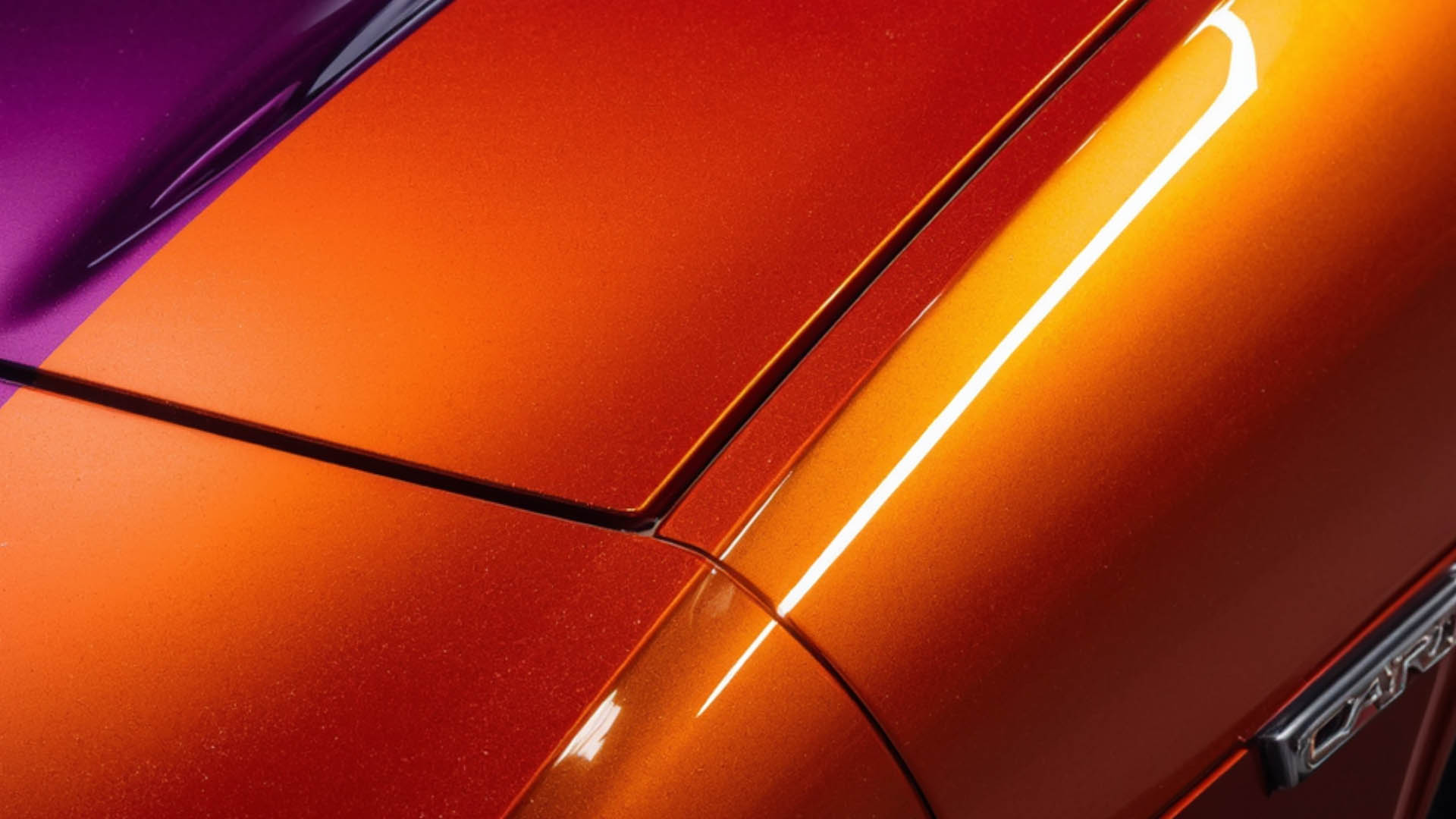
Have you ever noticed how some cars seem to glow or change color as they drive past you? This "depth" is usually the result of a tri-coat paint system, a complex layering technique once reserved for show cars but now common on everything from Mazdas to Teslas. While these finishes are stunning under showroom lights, they are notoriously difficult to replicate in a repair shop. When a tri-coat panel is damaged, the technician isn't just matching a color; they are trying to recreate a three-dimensional optical illusion that must perfectly align with the rest of the vehicle.
The Three-Layer Architecture
A standard "two-stage" paint job consists of a basecoat (color) and a clearcoat (shine). A tri-coat system adds a critical third layer: a translucent mid-coat filled with pearlescent mica or metallic flakes. This mid-coat acts like a filter; the more layers the painter applies, the deeper and darker the color becomes. This creates a high-stakes guessing game for the technician. If they spray four passes of the mid-coat but the factory robot originally sprayed three-and-a-half, the repaired door will look like a completely different shade than the rest of the car, despite using the exact same paint formula.
The "Flop" and Flake Orientation
Metallic paints pose a different challenge known as "flop"—how the color shifts when viewed from different angles. This effect is determined by how the microscopic aluminum flakes "lay down" in the wet paint. If the technician uses a slightly different air pressure, spray gun distance, or drying speed than the factory, the flakes may stand on edge or lay too flat. Even if the color is a perfect match from directly in front, the panel might look two shades darker when viewed from the side. This sensitivity makes "spot repairs" almost impossible on metallic panels, often requiring the entire side of a car to be repainted to hide the transition.
The Mandatory Art of Blending
Because a perfect "butt-match" (painting only the damaged panel) is statistically improbable with tri-coats, shops must use a technique called blending. This involves spraying the new color onto the repaired area and then gradually "feathering" it out into the adjacent undamaged panels. For a simple dent in a front door, a shop may need to blend the paint into the front fender and the rear door to trick the human eye into seeing a seamless transition. While this ensures a beautiful result, it also explains why a small repair can quickly turn into a multi-panel project that doubles the cost of materials and labor.
Conclusion
When it comes to high-end automotive finishes, you truly get what you pay for—both in beauty and in repair complexity. Achieving a "factory-perfect" match on a metallic or tri-coat vehicle is less like house painting and more like fine art. If you are picking up your car from a shop, always inspect the repair in different lighting conditions, such as direct sunlight and shade. A professional repair should be invisible from every angle, proving that the technician successfully mastered the chemistry and physics of your car's unique finish.
Achieving a seamless finish on complex paint jobs requires a master technician who understands the precise science of color chemistry and light reflection CLICK HERE
Frequently Asked Questions
Why is Mazda’s "Soul Red Crystal" so famous in body shops?
Mazda’s signature red is a high-transparency tri-coat that uses unique light-absorbing flakes to create intense contrast. It is widely considered one of the hardest colors in the world to match because the mid-coat is so sensitive to the number of layers applied. Most shops charge a significant premium just to handle this specific color.
Will my insurance pay for the extra cost of tri-coat paint?
Yes, but the shop must document it correctly. Insurance companies use "estimating software" that adds a specific percentage of labor and material costs (usually 25–40% extra) when a tri-coat paint code is entered. This covers the additional time for "spray-out cards"—test panels the painter creates to verify the match before touching your car.
Can I use a touch-up pen for a tri-coat paint chip?
Touch-up pens are rarely effective for tri-coats. Because the depth comes from the layering of three different liquids, a single "all-in-one" pen cannot replicate the look. Some companies sell "two-pen" kits (base and pearl), but even then, the results are usually visible because the thickness of a hand-applied brush stroke is much greater than a professional spray
Need hail or collision repair in Abilene?
Get a free estimate today. We work directly with your insurance company and back every repair with our lifetime paint warranty.
Related Articles
 Blog
Oct 23, 2026
5 Signs a Collision Repair Was Done Poorly (And How to Spot Them)
A shiny paint job can hide a lot of mistakes. Discover how to perform a 5-minute post-repair inspection to ensure your car is truly safe and restored to factory specs.
Read Article Blog
Oct 16, 2026
Is it Safe to Buy a Car with a "Rebuilt" or "Salvage" Title?
A "rebuilt" title can save you 40% on a car, but is it actually safe? Discover the red flags of salvage vehicles and why the "reason for the total" is the most important factor.
Read Article Blog
Oct 9, 2026
How a Professional Detail After a Repair Can Boost Your Resale Value by 10%
A clean car is a valuable car. Learn how professional paint correction and interior restoration can provide a 4x return on investment when it's time to sell your vehicle.
Read Article