
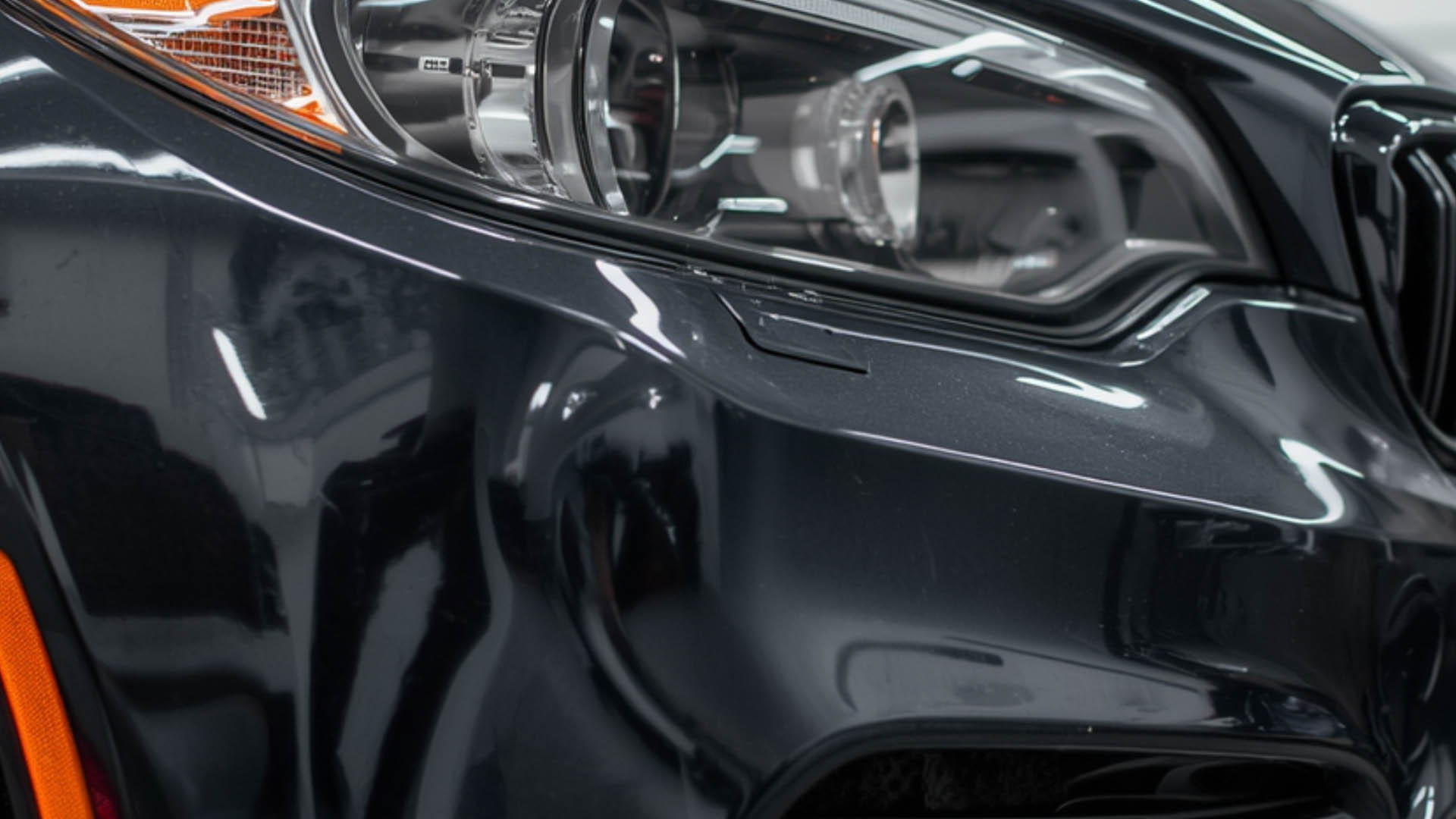
Plastic Bumper Repair vs. Replacement: When Can You Safely Save the Part?
A cracked bumper isn't always a goner. Discover the specific signs that your bumper can be safely repaired and when a full replacement is the only way to protect your car's tech.
Intro
Your bumper is often the first part of your car to take a hit, but it is also the most misunderstood. Modern "bumper covers" are actually thin thermoplastic skins designed to flex, while the real protection—the reinforcement bar and energy absorbers—sits hidden beneath. When you’re staring at a scuffed or cracked bumper, the decision to repair or replace isn't just about aesthetics; it’s a balance of structural integrity, sensor safety, and cost-effectiveness.
The "50% Rule" for Repairs
In the collision industry, technicians generally follow a financial threshold to decide if a part is worth saving. If the labor cost for professional plastic welding, sanding, and multi-stage refinishing exceeds 50% of the price of a brand-new OEM bumper, replacement is almost always the better investment. While plastic welding can restore a bumper's look, an overly repaired part can lose its factory "flex," leading to spider-web cracks in the paint just months later. By choosing a new part when the damage is extensive, you ensure a factory-perfect fit and a more durable finish.
When Repair is the Smart Choice
Many types of damage are perfectly safe and economical to repair without compromising the vehicle. Surface-level scuffs, paint transfer, and shallow scratches that haven't cut deep into the plastic substrate are prime candidates for a "SMART" repair (Small, Medium Area Repair Technology). Even isolated cracks shorter than 10 centimeters can often be fused back together using nitrogen plastic welding, which creates a bond as strong as the original material. If your mounting tabs—the small clips that hold the bumper to the fender—are intact and the damage is away from any ADAS sensor pockets, a repair is a "green" and cost-effective solution.
The Deal-Breakers: When You Must Replace
There are three specific scenarios where a plastic bumper is legally and technically unrepairable. First, if the mounting tabs or "ears" are torn or shattered, the bumper will never sit flush again and may vibrate or sag at highway speeds. Second, if there is a sharp crease or "buckle" in the plastic, the internal structure of the polymer has been compromised and cannot be safely reshaped with heat. Finally, and most importantly, any damage that occurs directly over a radar or ultrasonic sensor mount usually mandates a replacement. Many manufacturers forbid the use of body fillers or extra layers of paint over sensor areas, as the added thickness can "blind" your car's safety systems.
Conclusion
A bumper repair is successful only if it restores both the beauty and the function of the vehicle. If your damage is cosmetic and the underlying safety tech is untouched, repairing the original factory part is often the best way to ensure perfect panel gaps. However, if the "bones" of the bumper—the tabs and sensor mounts are broken, don't let a shop talk you into a "budget" fix. In the long run, the safety of your ADAS systems and the resale value of your car are worth the price of a new, uncompromised part.
Whether you are dealing with a minor scuff or structural damage, understanding the difference between a simple cosmetic touch-up and a necessary structural repair is key to keeping your vehicle safe and valuable CLICK HERE
Frequently Asked Questions
Can you fix a bumper dent with hot water or a plunger?
While "DIY" methods like using boiling water or a suction tool can sometimes pop a shallow dent out, they don't fix the underlying problem. Plastic has "memory," but it also stretches when deformed. Without professional heat-shaping and potentially a structural reinforcement on the back side, the dent may eventually "oil-can" or pop back in, and the paint will likely begin to flake off due to the stress of the initial impact.
What is "nitrogen plastic welding"?
This is the gold standard for bumper repair in 2026. Unlike traditional glue or "hot staples," nitrogen welding uses a stream of heated nitrogen gas to melt a plastic filler rod into the crack. Because nitrogen eliminates oxygen during the process, it prevents the plastic from burning or oxidizing, resulting in a weld that is structurally identical to the original bumper.
Will a repaired bumper affect my car's safety rating?
If the repair is limited to the plastic cover and does not involve the metal reinforcement bar or the foam energy absorber, your safety rating remains unchanged. The plastic cover is primarily aerodynamic and cosmetic; the heavy lifting during a crash is done by the components hidden behind it.
Need hail or collision repair in Abilene?
Get a free estimate today. We work directly with your insurance company and back every repair with our lifetime paint warranty.
Related Articles
 Blog
Oct 23, 2026
5 Signs a Collision Repair Was Done Poorly (And How to Spot Them)
A shiny paint job can hide a lot of mistakes. Discover how to perform a 5-minute post-repair inspection to ensure your car is truly safe and restored to factory specs.
Read Article Blog
Oct 16, 2026
Is it Safe to Buy a Car with a "Rebuilt" or "Salvage" Title?
A "rebuilt" title can save you 40% on a car, but is it actually safe? Discover the red flags of salvage vehicles and why the "reason for the total" is the most important factor.
Read Article Blog
Oct 9, 2026
How a Professional Detail After a Repair Can Boost Your Resale Value by 10%
A clean car is a valuable car. Learn how professional paint correction and interior restoration can provide a 4x return on investment when it's time to sell your vehicle.
Read Article