
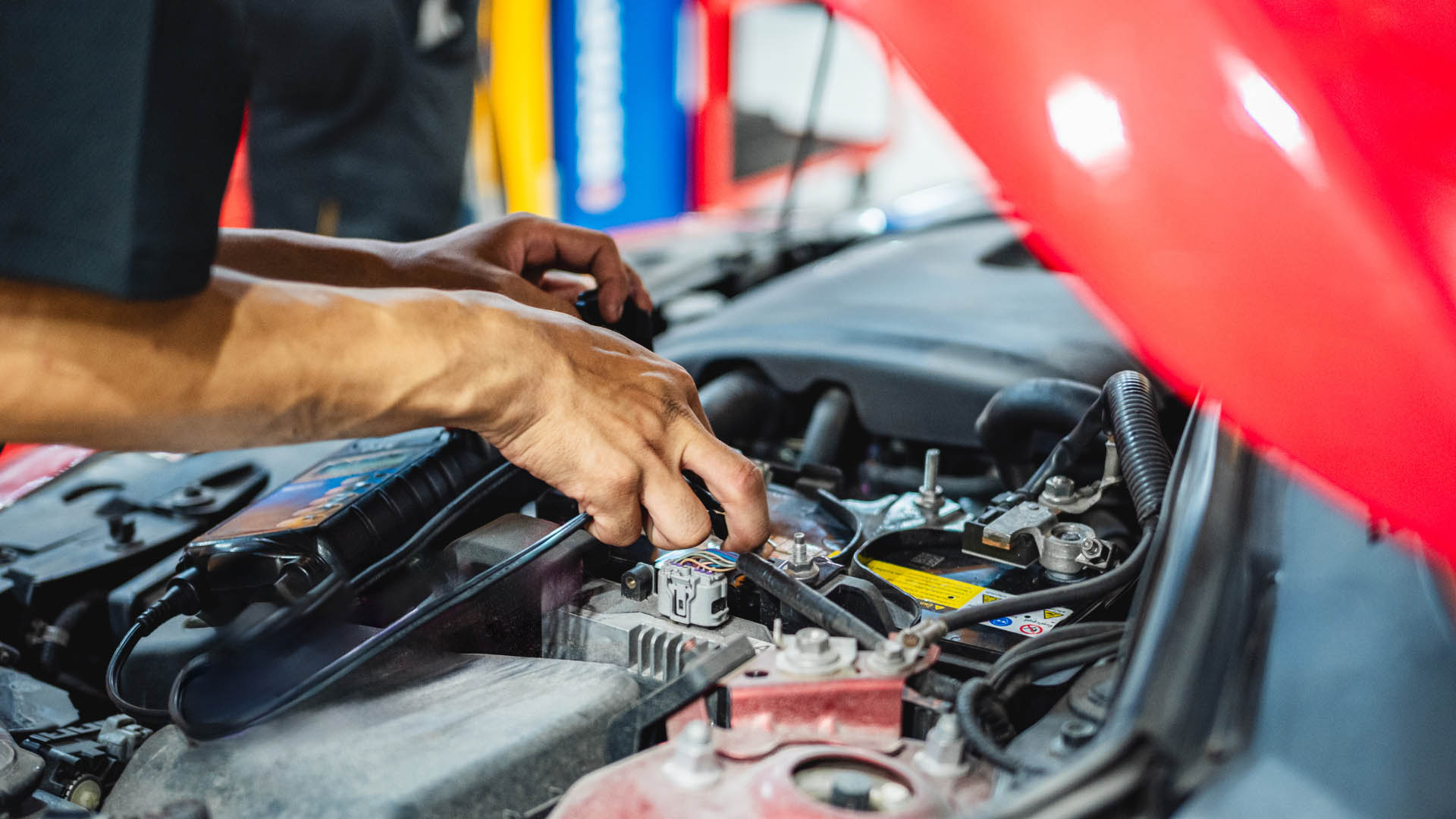
Collision Repair vs Cosmetic Repairs: What’s the Difference?
Is it just a scratch, or is it a safety risk? We break down the differences between collision and cosmetic repairs so you can make the right choice for your vehicle.
Introduction
When your vehicle is damaged, you might hear technicians use terms like "collision repair" and "cosmetic repair" interchangeably, but they actually represent two very different approaches to automotive service. Understanding the distinction is vital for Abilene drivers, as it affects everything from your out-of-pocket costs to the long-term safety of your vehicle. At D&D Collision, we believe an informed customer is a safer driver, which is why we want to clarify exactly what your car needs after an impact.
What collision repair includes
Collision repair is a comprehensive process focused on restoring a vehicle to its pre-accident condition, with a heavy emphasis on structural integrity and safety. This type of repair goes far beneath the surface to address the "bones" of the car. It includes straightening the frame or unibody, replacing deployed airbags, recalibrating advanced driver-assistance systems (ADAS) like lane-keep sensors, and ensuring that the vehicle’s crumple zones are fully functional. Essentially, collision repair is about making the car safe enough to protect you in a future accident.
What cosmetic repairs include
Cosmetic repairs are focused strictly on the visual appearance of the vehicle and do not involve the car's structural or mechanical systems. These services are often used to fix minor imperfections that occur during daily driving. Common examples include paintless dent repair (PDR) for small dings, fixing light scratches in the clear coat, polishing cloudy headlights, or repairing a chipped windshield. While cosmetic repairs make your car look better and help maintain its resale value, they do not address the underlying safety of the vehicle if a significant impact has occurred.
When cosmetic damage becomes structural
The line between cosmetic and structural damage is often thinner than it looks. For instance, a cracked bumper cover might appear to be a simple cosmetic issue, but if the plastic is pushed in far enough, it can damage the impact absorber or the radar sensors located directly behind it. Similarly, a "cosmetic" dent in a door might interfere with the side-impact protection beams or the sensors that trigger side-curtain airbags. This is why a professional inspection at an auto body shop in Abilene, TX is necessary to ensure that a surface-level scratch isn't hiding a deeper safety risk.
Insurance differences
Insurance companies also view these repairs differently. If you are filing a claim under your collision coverage, the insurer is typically looking to restore the vehicle's function and safety, which often requires more expensive, structural work. Cosmetic repairs, on the other hand, are sometimes handled as "comprehensive" claims (like hail damage) or may fall below your deductible, leading many drivers to pay for them out of pocket. Understanding your policy is key, as some insurers may push for the most cost-effective cosmetic fix when a more thorough collision repair is actually required.
How to choose the right repair path
Choosing the right path starts with a professional assessment. If your car was involved in an impact with another vehicle or a stationary object at more than a crawling speed, you should always opt for a full collision inspection. If the damage is limited to a door ding from a shopping cart or a rock chip from the highway, a cosmetic repair is likely sufficient. At D&D Collision, we provide a detailed breakdown of the damage so you can decide which path fits your budget and safety needs.
Conclusion
While cosmetic repairs keep your car looking its best, collision repairs keep you and your family safe. Understanding the difference ensures that you don't overlook a critical safety issue just because the car looks fine on the outside. Whether you need a simple dent removed or a major structural restoration, choosing a shop that understands the technical nuances of both is the best way to get back on the road with confidence.
To learn more about our specialized hail restoration services: CLICK HERE
FAQs
Is paintless dent repair collision repair? No, paintless dent repair (PDR) is considered a cosmetic repair. It is a specialized technique used to remove minor dents where the paint is still intact, but it does not address any structural or mechanical damage.
Can cosmetic damage affect safety? Yes, if the cosmetic damage is located over a sensor or a structural component. For example, a dent in a bumper can misalign the sensors used for automatic emergency braking.
Does insurance cover cosmetic damage? Typically, yes, as long as the damage was caused by a covered peril (like a storm or an accident) and the cost exceeds your deductible.
Can you repair without replacing parts? In many cosmetic cases, such as small dents or scratches, we can repair the existing panel. However, for collision repair, damaged safety components must usually be replaced to ensure they function correctly.
Do you match factory paint? Yes. Whether the repair is cosmetic or a full collision restoration, we use computerized paint matching to ensure the finish is indistinguishable from the original factory paint.
Need hail or collision repair in Abilene?
Get a free estimate today. We work directly with your insurance company and back every repair with our lifetime paint warranty.
Related Articles
 Blog
BlogOct 23, 2026
5 Signs a Collision Repair Was Done Poorly (And How to Spot Them)
A shiny paint job can hide a lot of mistakes. Discover how to perform a 5-minute post-repair inspection to ensure your car is truly safe and restored to factory specs.
Read Article Blog
BlogOct 16, 2026
Is it Safe to Buy a Car with a "Rebuilt" or "Salvage" Title?
A "rebuilt" title can save you 40% on a car, but is it actually safe? Discover the red flags of salvage vehicles and why the "reason for the total" is the most important factor.
Read Article Blog
BlogOct 9, 2026
How a Professional Detail After a Repair Can Boost Your Resale Value by 10%
A clean car is a valuable car. Learn how professional paint correction and interior restoration can provide a 4x return on investment when it's time to sell your vehicle.
Read Article