
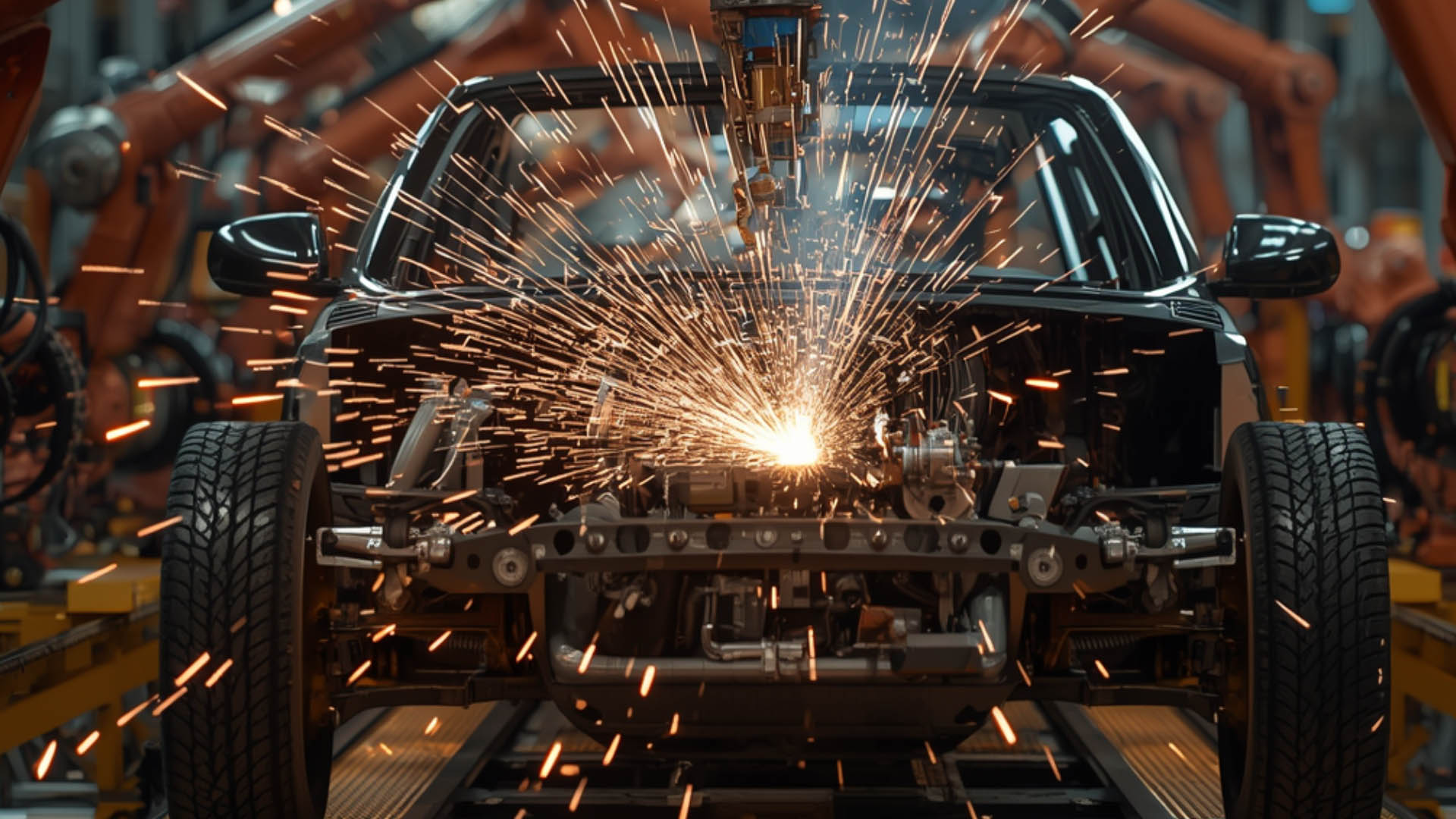
Maintaining Your Factory Warranty: Does Body Work Void Your Manufacturer Coverage?
Does an independent body shop ruin your car's warranty? Discover the federal laws that prevent manufacturers from denying claims after a repair and how to stay protected.
Intro
After an accident, the last thing you want is a legal battle over your car's warranty. You might hear dealership adjusters or insurance scripts imply that only "Genuine" repairs keep your warranty intact. However, under federal and state law, your manufacturer's warranty cannot be "voided" simply because you had a collision repair performed at an independent shop. While the shop's work itself isn't covered by the manufacturer, the rest of your vehicle’s protections remain in full force unless the repair directly causes a secondary failure.
The Power of the Magnuson-Moss Warranty Act
Your primary protection comes from the Magnuson-Moss Warranty Act, a federal law that prohibits manufacturers from "tying" their warranty to the use of specific repair facilities or brand-name parts. This means it is illegal for a car company to deny a warranty claim on your transmission just because you had your bumper and fenders repaired at a local body shop. The burden of proof lies entirely with the manufacturer: if they want to deny a claim, they must prove that the specific collision repair was performed so poorly that it directly caused the mechanical failure you are trying to fix under warranty.
Parts, Safety, and the "Causality" Rule
In 2026, the debate often centers on the use of Aftermarket vs. OEM (Original Equipment Manufacturer) parts. While using an aftermarket hood won't void your engine warranty, using a non-certified "knock-off" sensor for your Automatic Emergency Braking could cause a system error. If that unapproved sensor fails, the manufacturer is not obligated to fix that specific system under warranty. However, they still must honor the warranty for unrelated parts of the car. To maintain a "no-hassle" relationship with your warranty, many Texas drivers insist on OEM parts for safety-critical electronics while choosing whatever parts they prefer for cosmetic items like plastic trim or door handles.
The Role of the Texas Lemon Law
If you are driving a newer vehicle, you also have the protection of the Texas Lemon Law. This state law is designed to help consumers with "lemons" that have repeated, unfixable manufacturing defects. Having body work done does not disqualify you from Lemon Law protections, provided the defect you are claiming (such as a recurring engine stall or a faulty infotainment screen) is unrelated to the collision damage. Keeping meticulous records of your repair—including a line-item list of all parts and a digital scan of the car's "health report" after the repair—is your best insurance against a dealership trying to blame a factory defect on an old fender bender.
Conclusion
Your warranty is a contract that the manufacturer is legally bound to follow. While a body shop’s workmanship is covered by the shop's own lifetime warranty, the rest of your vehicle remains the manufacturer’s responsibility. Don't let fear-mongering push you into a dealership repair you don't want. As long as you choose a reputable shop that follows factory repair procedures and documents their work, your "bumper-to-bumper" peace of mind will remain exactly where it belongs: intact.
Choosing a reputable independent shop that follows factory-mandated procedures ensures your vehicle is repaired to the highest standards without compromising your manufacturer's warranty or future peace of mind CLICK HERE
Frequently Asked Questions
Does the body shop provide their own warranty?
Yes. Since the manufacturer doesn't cover "workmanship" from a third-party shop, reputable collision centers provide their own Limited Lifetime Warranty. This typically covers the paint against peeling or fading and the bodywork against cracking or structural failure for as long as you own the vehicle.
What if a repair shop uses a part that breaks a different part?
If an incorrectly installed aftermarket part causes damage to a warranted component—for example, if a poorly fitted radiator leaks and causes the engine to overheat—the manufacturer can legally deny the warranty claim for the engine. In this scenario, the body shop (or their insurance) would be responsible for the engine repair costs.
Should I tell the dealership I had an accident?
There is no legal requirement to "report" a repaired accident to a dealership for warranty purposes. However, modern cars often store "crash data" in the onboard computer. If you take the car in for a warranty repair later, the technician may see that a crash occurred. This is why having a "Post-Repair Diagnostic Scan" from your body shop is essential; it proves the car’s electronics were 100% healthy when the collision repair was finalized.
Need hail or collision repair in Abilene?
Get a free estimate today. We work directly with your insurance company and back every repair with our lifetime paint warranty.
Related Articles
 Blog
Nov 6, 2026
The "Computer on Tires": Why Modern Collision Repair Requires a Digital Reset
A shiny bumper doesn't mean a safe car. Discover why the "Post-Repair Scan" is the most critical step in modern auto body work and why your dashboard might be lying to you.
Read Article Blog
Oct 23, 2026
5 Signs a Collision Repair Was Done Poorly (And How to Spot Them)
A shiny paint job can hide a lot of mistakes. Discover how to perform a 5-minute post-repair inspection to ensure your car is truly safe and restored to factory specs.
Read Article Blog
Oct 16, 2026
Is it Safe to Buy a Car with a "Rebuilt" or "Salvage" Title?
A "rebuilt" title can save you 40% on a car, but is it actually safe? Discover the red flags of salvage vehicles and why the "reason for the total" is the most important factor.
Read Article