
OEM vs Aftermarket Parts in Collision Repair: What’s Best?
Does it matter where your car parts come from? We break down the differences between OEM and aftermarket components and why it matters for your safety.
Introduction
When your vehicle is in the shop for repairs, you will likely be asked to choose between OEM and aftermarket parts. For many drivers in Abilene, this choice is confusing and often dictated by insurance policies. However, the components used to rebuild your car affect its safety, fit, and long-term value. At D&D Collision, we want you to understand exactly what is going into your vehicle so you can make the best decision for your needs and your budget.
What OEM parts are
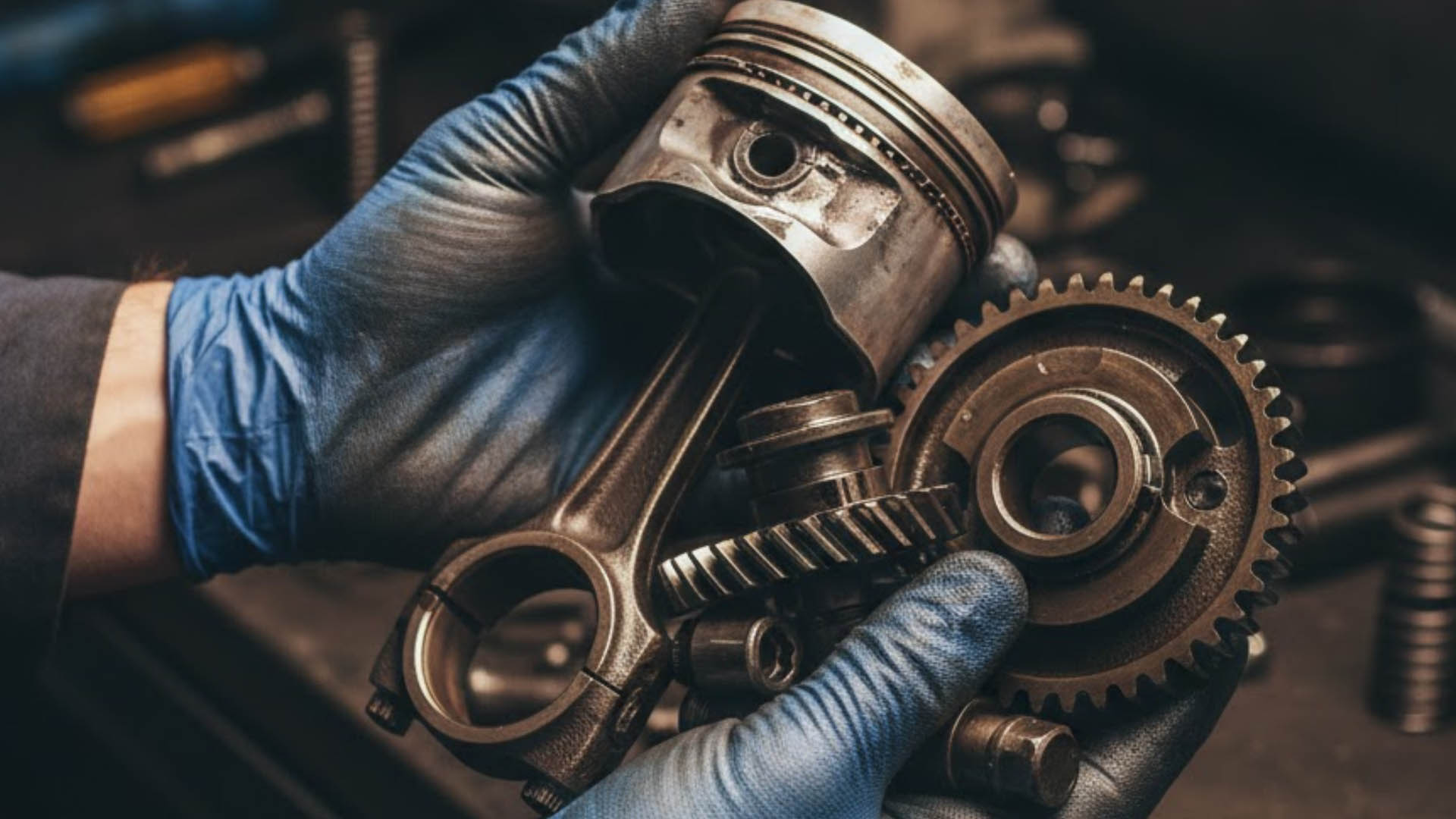
OEM stands for Original Equipment Manufacturer. These parts are made by the same company that built your vehicle—for example, a Ford fender made by Ford or a Toyota radiator made by Toyota. They are identical to the parts that were on your car when it sat on the dealership showroom floor. Because they are built to the exact specifications of your specific year, make, and model, they offer the most predictable performance in terms of fit and finish.
What aftermarket parts are
Aftermarket parts are produced by companies other than the original manufacturer. Think of them like "generic" brand medications; they are designed to function the same way as the original but are often sold at a lower price point. While many aftermarket parts are high-quality and certified by organizations like CAPA (Certified Automotive Parts Association), they are sometimes made using different materials or slightly different molds, which can occasionally lead to minor variations in how they fit or look.
Pros and cons of each
The primary advantage of OEM parts is their guaranteed quality and compatibility. You know the part will fit perfectly, the paint will adhere correctly, and it will perform exactly as intended during a crash. The downside is that they are generally more expensive and may occasionally have longer shipping times. Aftermarket parts offer a significant cost savings, which can be helpful if you are paying out of pocket. However, because they are "one-size-fits-many" in some cases, they may require more labor from the technician to align properly, and the metal may not always have the same thickness or corrosion resistance as the original.
Insurance preferences and approvals
Most insurance policies include language that allows the use of "Like Kind and Quality" (LKQ) parts, which usually refers to aftermarket or recycled parts. Insurance companies prefer these because they lower the overall cost of the claim. If you have a brand-new car or a high-end luxury vehicle, you may have an "OEM Endorsement" on your policy that requires the use of original parts. If you do not have this endorsement but insist on OEM parts, you may be required to pay the "price difference" between the aftermarket part and the OEM version.
Fitment, safety systems, and calibration
In the era of modern vehicle technology, the choice of parts has become a safety issue. Many body panels now house sensitive sensors for lane-departure warnings, adaptive cruise control, and automatic braking. OEM parts are designed with the exact mounting points and metallic thickness required for these sensors to function correctly. Some manufacturers even mandate the use of OEM glass and bumpers because aftermarket versions can interfere with the "vision" of the car's cameras and radar systems. Using the wrong part can lead to calibration errors that disable your safety features.
Conclusion
Choosing between OEM and aftermarket parts often comes down to a balance of cost and precision. While aftermarket parts can be a reliable way to save money on older vehicles, OEM parts remain the gold standard for fit, safety, and maintaining your vehicle's warranty. At D&D Collision, we work closely with you and your insurance provider to ensure that whatever parts are chosen, your vehicle is returned to the road in a condition that is safe and structurally sound.
To learn more about our standard collision repair procedures and part quality: CLICK HERE
FAQs
Can I request OEM parts? Yes, you always have the right to request OEM parts. However, depending on your insurance policy, you may be responsible for paying the difference in cost if the insurer only covers aftermarket parts.
Will insurance pay for OEM? In most cases, insurance will only pay for OEM parts if the car is very new (usually less than a year old) or if your policy specifically includes an OEM parts rider.
Are aftermarket parts lower quality? Not necessarily. Many aftermarket parts are CAPA-certified and meet high standards. However, some non-certified parts may have thinner metal or slightly different dimensions than the originals.
Do OEM parts affect resale value? Yes. Dealerships and savvy buyers often check for OEM stamps on parts like glass and fenders. Having all-OEM parts can help you command a higher trade-in or resale price.
What about recycled parts? Recycled parts are original OEM parts taken from a donor vehicle of the same year and model. They are a great middle-ground option, offering OEM fit and quality at an aftermarket price point.
Need hail or collision repair in Abilene?
Get a free estimate today. We work directly with your insurance company and back every repair with our lifetime paint warranty.
Related Articles
 Blog
BlogOct 23, 2026
5 Signs a Collision Repair Was Done Poorly (And How to Spot Them)
A shiny paint job can hide a lot of mistakes. Discover how to perform a 5-minute post-repair inspection to ensure your car is truly safe and restored to factory specs.
Read Article Blog
BlogOct 16, 2026
Is it Safe to Buy a Car with a "Rebuilt" or "Salvage" Title?
A "rebuilt" title can save you 40% on a car, but is it actually safe? Discover the red flags of salvage vehicles and why the "reason for the total" is the most important factor.
Read Article Blog
BlogOct 9, 2026
How a Professional Detail After a Repair Can Boost Your Resale Value by 10%
A clean car is a valuable car. Learn how professional paint correction and interior restoration can provide a 4x return on investment when it's time to sell your vehicle.
Read Article