
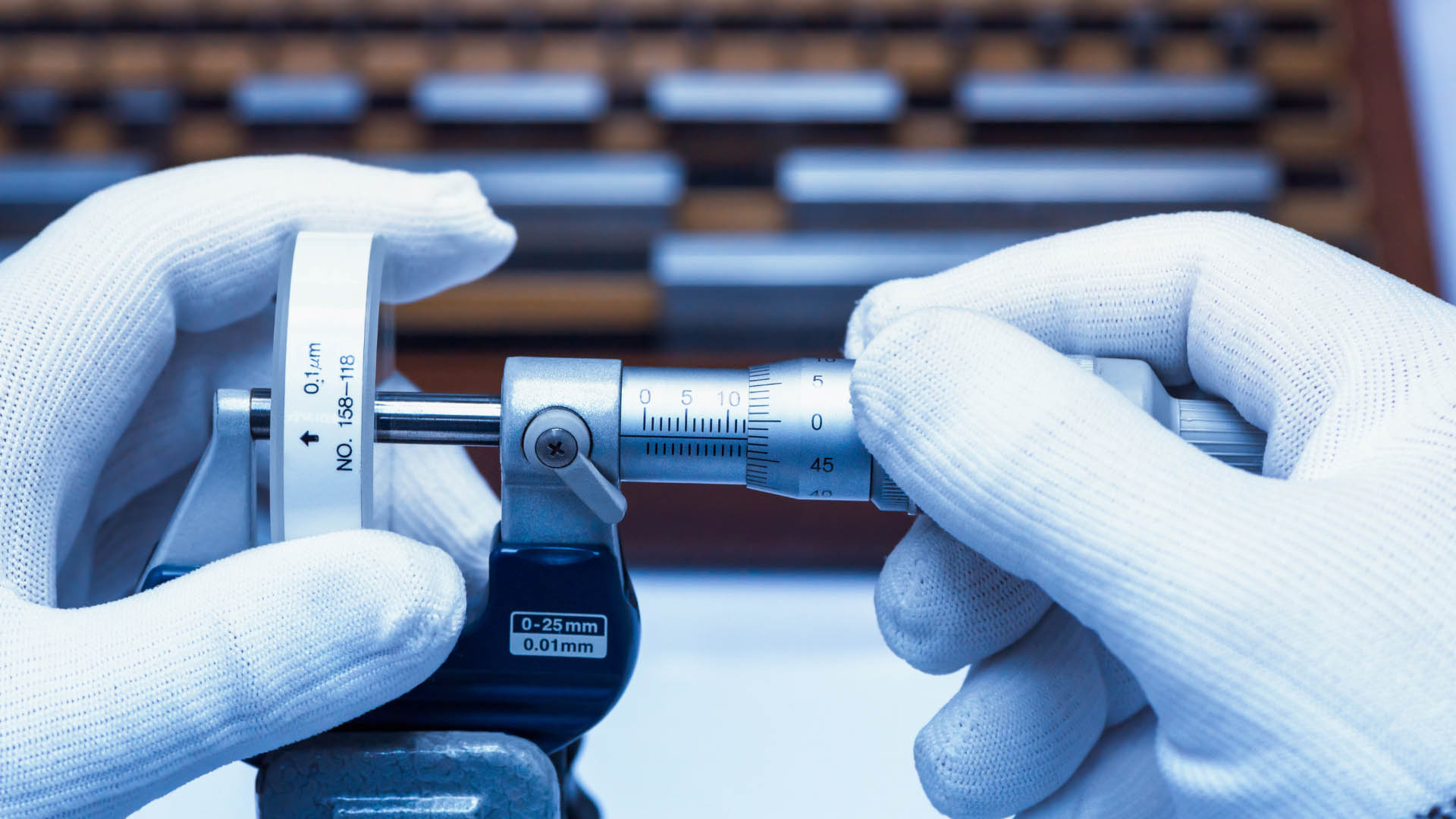
ADAS Calibration: The Most Important Safety Step After a Bumper Repair
Behind that sleek new bumper lies a complex network of sensors. If they aren't calibrated after a repair, your car's safety features could fail when you need them most.
Intro
Modern bumpers are no longer just plastic shields. They are the eyes and ears of your vehicle. If you have recently had a minor fender bender or a bumper replacement, your car might look brand new, but its safety systems could be functionally blind. This is why ADAS calibration, which is the brain reset for your car, is the most critical step in a modern collision repair.
The Hidden Technology Inside Your Bumper
Advanced Driver Assistance Systems, or ADAS, rely on a sophisticated array of hardware tucked neatly behind your car's exterior panels. Radar sensors responsible for Adaptive Cruise Control, ultrasonic sensors that power your Park Assist, and high-resolution cameras for Automatic Emergency Braking are often mounted directly to or behind the bumper. Because these systems operate on high-precision geometry, even a one degree shift in a sensor's alignment can result in the car seeing an obstacle in the wrong lane or failing to detect a hazard directly in its path.
Why Every Bumper Repair Triggers a Reset
When a body shop removes a bumper to repair a dent or apply fresh paint, they are effectively disconnecting and repositioning sensitive electronic components. Calibration ensures the digital view provided by these sensors perfectly matches the physical world around the car. Think of it like this. If you move a telescope just a fraction of a millimeter, you will be looking at a completely different star. In the context of your vehicle, that star is the car stopping suddenly in front of you. If the sensor is off by even an inch, the safety system may not react in time.
The Dangers of Skipping Calibration
One of the most dangerous myths is that no warning lights means no problems. Modern safety systems can be misaligned without triggering a dashboard error code. If you skip calibration, your car may suffer from phantom braking where it slams on the brakes for no reason, or it may fail to alert you when a vehicle enters your blind spot. This creates a false sense of security that puts you at risk. Most manufacturers now mandate a digital reset after any bumper work to ensure that these life-saving features react exactly as they were engineered to.
Conclusion
Skipping calibration to save time or money is not just a tech oversight. It is a significant safety risk. When you pick up your car from the shop, ensure ADAS Calibration is a documented line item on your invoice. A pretty bumper is great for your car's resale value, but a bumper that knows exactly when to trigger the brakes is what keeps you and your family safe on the road.
Prioritizing advanced safety system recalibration over simple aesthetics is the only way to ensure your vehicle’s emergency features are ready to protect your family when every second counts CLICK HERE
Frequently Asked Questions
How much does ADAS calibration typically cost?
The cost usually ranges from $250 to $900 depending on your vehicle's make and the number of sensors involved. This reflects the cost of the specialized laser equipment and the technician’s training.
Will my insurance cover the calibration fee?
In most cases, yes. If the calibration is required as part of a covered collision repair, insurance companies generally view it as a necessary safety procedure and will cover the cost.
How long does the process take?
Most calibrations take between one and three hours. Static calibrations are usually faster because they are done in the shop, while dynamic calibrations can take longer as they require specific road and weather conditions to complete.
Need hail or collision repair in Abilene?
Get a free estimate today. We work directly with your insurance company and back every repair with our lifetime paint warranty.
Related Articles
 Blog
Nov 6, 2026
The "Computer on Tires": Why Modern Collision Repair Requires a Digital Reset
A shiny bumper doesn't mean a safe car. Discover why the "Post-Repair Scan" is the most critical step in modern auto body work and why your dashboard might be lying to you.
Read Article Blog
Oct 30, 2026
Maintaining Your Factory Warranty: Does Body Work Void Your Manufacturer Coverage?
Does an independent body shop ruin your car's warranty? Discover the federal laws that prevent manufacturers from denying claims after a repair and how to stay protected.
Read Article Blog
Oct 23, 2026
5 Signs a Collision Repair Was Done Poorly (And How to Spot Them)
A shiny paint job can hide a lot of mistakes. Discover how to perform a 5-minute post-repair inspection to ensure your car is truly safe and restored to factory specs.
Read Article