
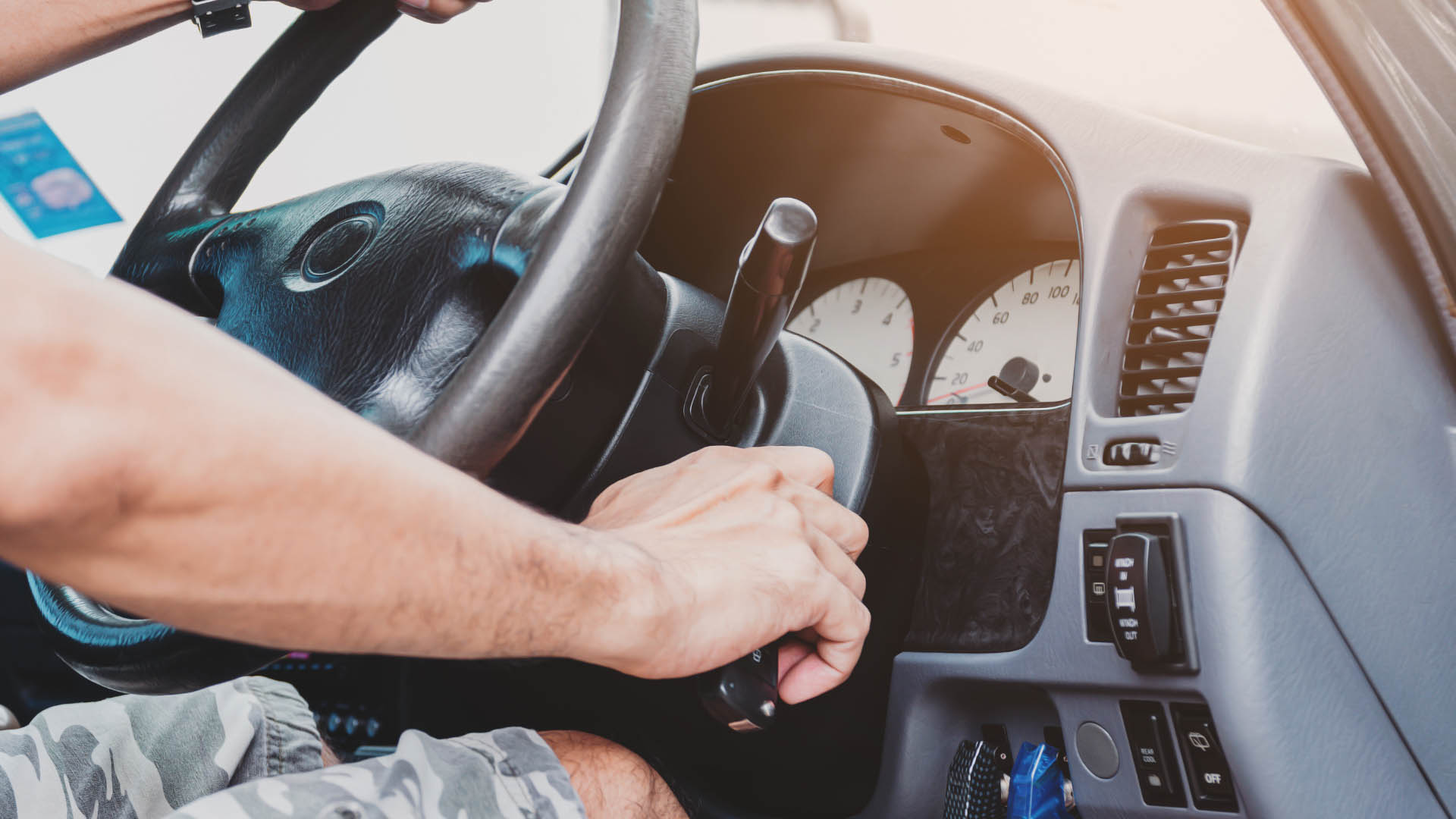
Why Fast Repairs Help Protect Your Safety Systems and Sensors
ADAS systems depend on accurate sensors. See why timely repairs and recalibrations from D&D Collision Center are essential for restoring your vehicle’s safety.
Introduction
In today's vehicles, safety isn't just built into the frame—it's wired into every sensor, camera, and control system. From blind spot monitoring to automatic emergency braking, modern cars rely on complex advanced driver-assistance systems (ADAS) to help protect drivers and passengers alike. But after a collision, these systems can become misaligned or impaired, even if the damage looks minor. That's why getting fast, professional repairs isn't just about convenience—it's about restoring safety. At D&D Collision Center, we know just how critical prompt attention can be for preserving the technology that keeps you safe.
How Modern Vehicles Use Safety Sensors
Most vehicles built in the past decade include some level of ADAS—technology designed to reduce the risk of accidents and improve response time. These systems depend on an intricate network of radar units, cameras, ultrasonic sensors, and modules that detect nearby objects, assist with steering or braking, and warn drivers of potential danger.
These components are often housed in bumpers, mirrors, windshields, or grilles—all areas prone to impact in even low-speed collisions. A small bump could knock a sensor out of alignment or cause internal damage that isn’t immediately visible. When that happens, the system may fail silently, misread road conditions, or stop functioning altogether.
Delaying Repairs Could Lead to Bigger Safety Risks
If you postpone repairs after a collision, you're not just risking cosmetic deterioration—you're putting your vehicle's safety performance at stake. Damaged or uncalibrated ADAS components might seem fine at first, but they can malfunction without warning. A misaligned radar sensor may not detect a vehicle in your blind spot. A faulty front camera might not engage automatic braking in time.
The longer these systems go unchecked, the greater the potential for a second, avoidable accident. That’s why quick repairs—especially those that include professional recalibration—are essential. At D&D Collision Center, we ensure that your vehicle’s critical safety technology is tested, calibrated, and functioning correctly before it leaves our facility.
Prompt Repairs Prevent Further Complications
Another reason fast repairs matter is that small issues can quickly escalate. For example, if your windshield was slightly damaged in a crash and houses a camera-based ADAS sensor, waiting to replace it could affect visibility and weatherproofing. The longer that sensor is exposed to environmental conditions like heat, water, or debris, the more likely it is to degrade or fail completely—leading to more costly repairs or system replacements later.
The same applies to body panels and bumpers that house radar modules. A cracked or loose bumper may no longer provide a stable mounting surface, affecting how the sensor reads road conditions. Quick attention helps preserve those components before they reach the point of failure.
We Calibrate and Verify Before You Drive Away
At D&D Collision Center, we do more than just repair the visible damage. We inspect and calibrate all affected safety systems to ensure they meet the manufacturer's specifications. This includes static and dynamic calibrations, road testing, and digital diagnostics using specialized equipment.
We don’t release a vehicle until we’re confident it’s safe to drive—both in how it looks and how it functions. By choosing us for timely repairs, you’re ensuring that the very systems designed to protect you are fully operational the moment you’re back behind the wheel.
Conclusion
Fast repairs are about more than convenience—they're about restoring the full functionality of your vehicle’s advanced safety systems. In today’s cars, sensors and ADAS technology play a vital role in accident prevention and driving support. Delays in repair can lead to inaccurate readings, hidden failures, or unexpected hazards on the road.
At D&D Collision Center, we make it a priority to repair and recalibrate your vehicle quickly and thoroughly—so that when you drive away, you’re driving with confidence and full protection. If you’ve been in an accident, don’t wait. Contact us today for repairs that put your safety first.
Frequently Asked Questions: Safety Systems & Sensors
How do my car's sensors actually help me during a drive?
Your vehicle uses an intricate network of "eyes and ears" known as Advanced Driver-Assistance Systems (ADAS). This includes forward-facing cameras mounted behind the windshield for lane-keeping, radar units in the grille for adaptive cruise control, and ultrasonic sensors in the bumpers for parking assistance. These systems work in milliseconds to detect hazards faster than a human can. However, they rely on being positioned at very specific angles. Even a "fender bender" that doesn't break the plastic can jar a sensor just enough to make it point in the wrong direction, rendering your safety net unreliable.
Why is it dangerous to delay repairs if my car still drives fine?
The danger of delaying repairs is that these safety systems can fail "silently." Unlike a flat tire or a broken headlight, a misaligned blind-spot sensor might not trigger a warning light on your dashboard. You might assume the system is protecting you, only to find out it’s blind to an oncoming vehicle during a lane change. Procrastinating on repairs also exposes damaged wiring and sensitive modules to the elements. Moisture and dust entering a cracked housing can lead to short circuits, turning a simple recalibration into an expensive replacement of the entire sensor unit.
What exactly is "calibration" and why is it necessary after a collision?
Calibration is the process of "teaching" the car’s computer exactly where its sensors are pointing. At D&D Collision, we perform both static calibration (using specialized targets and lasers in a controlled shop environment) and dynamic calibration (using a handheld diagnostic tool while driving the car under specific conditions). This ensures that when the camera "sees" a lane line, it knows exactly where that line is in relation to your wheels. Without professional recalibration, your automatic emergency braking could trigger for no reason or fail to activate when a collision is imminent.
Can a cracked windshield really affect my car’s safety electronics?
Yes, significantly. Most modern vehicles have a front-facing camera mounted directly to the inside of the windshield. This camera is responsible for vital functions like automatic emergency braking and traffic sign recognition. If the glass is cracked or even chipped near the camera's field of vision, it can distort the "image" the car sees, leading to system errors. Furthermore, if the windshield is replaced, that camera must be recalibrated to its new mounting position. Ignoring glass damage doesn't just look bad—it can effectively "blind" your car’s most important safety system.
Need hail or collision repair in Abilene?
Get a free estimate today. We work directly with your insurance company and back every repair with our lifetime paint warranty.
Related Articles
 Blog
Nov 6, 2026
The "Computer on Tires": Why Modern Collision Repair Requires a Digital Reset
A shiny bumper doesn't mean a safe car. Discover why the "Post-Repair Scan" is the most critical step in modern auto body work and why your dashboard might be lying to you.
Read Article Blog
Oct 30, 2026
Maintaining Your Factory Warranty: Does Body Work Void Your Manufacturer Coverage?
Does an independent body shop ruin your car's warranty? Discover the federal laws that prevent manufacturers from denying claims after a repair and how to stay protected.
Read Article Blog
Oct 23, 2026
5 Signs a Collision Repair Was Done Poorly (And How to Spot Them)
A shiny paint job can hide a lot of mistakes. Discover how to perform a 5-minute post-repair inspection to ensure your car is truly safe and restored to factory specs.
Read Article