Call Us Today! (325) 701-9983

Aluminum vs. Steel: Why Modern Ford F-150s Require Specialized Repair Tools
Back to Blog
Intro
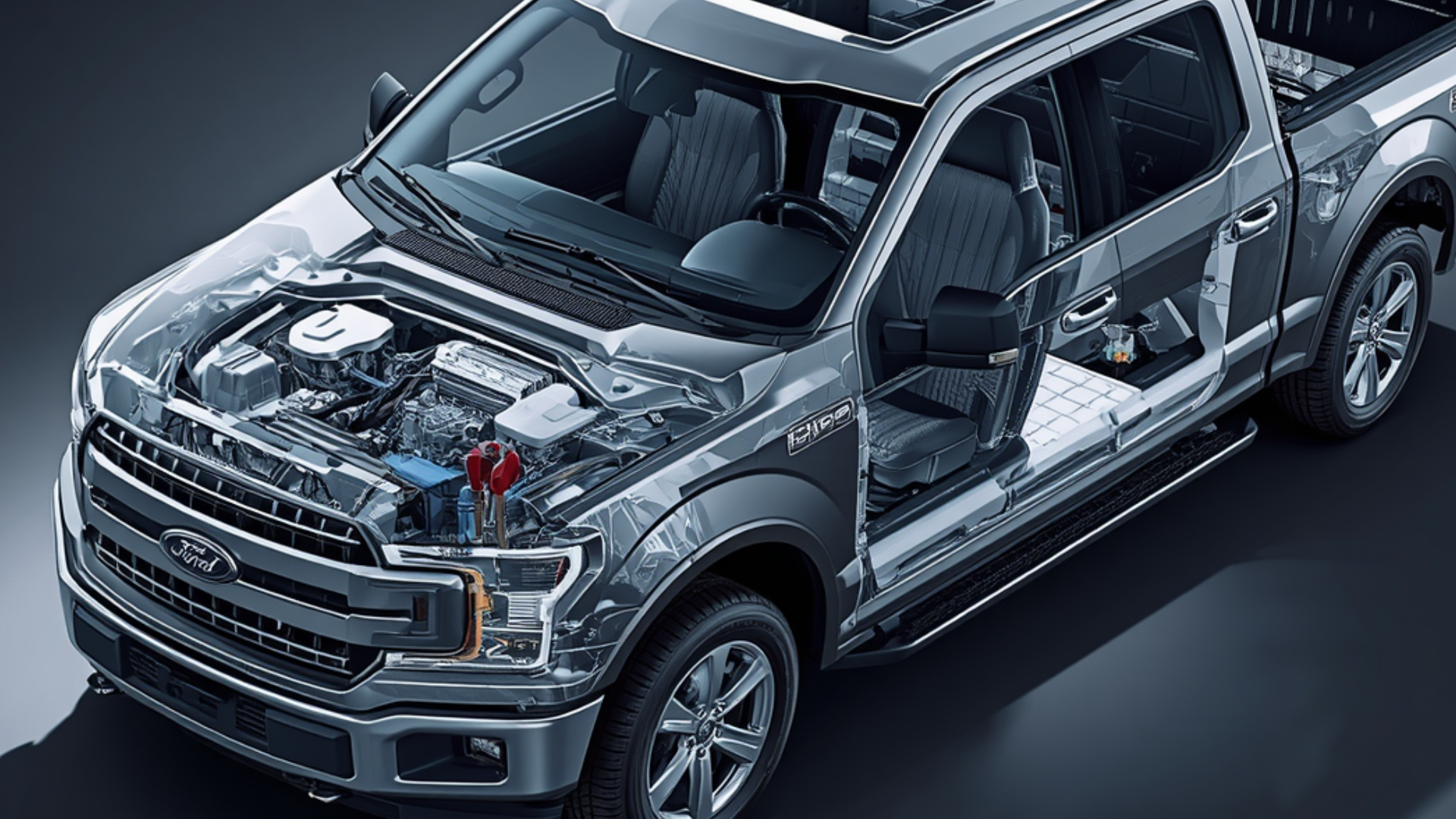
Since 2015, the Ford F-150 has famously utilized a high-strength, military-grade aluminum alloy body. While this shift cut hundreds of pounds from the vehicle’s weight, it also fundamentally changed the rules of the body shop. You cannot fix an aluminum truck using the same tools and techniques used for a steel one. For owners, this means that choosing a “Ford Certified” shop isn’t just about brand loyalty—it’s a technical necessity to prevent structural failure and long-term damage.
The Danger of Cross-Contamination
The most critical reason for specialized tools is a chemical reaction called galvanic corrosion. When microscopic particles of steel (like those found on a standard hammer or sanding disc) come into contact with aluminum, they create a corrosive reaction that eats away at the metal. Because of this, Ford requires certified shops to maintain a “clean room” or a dedicated aluminum repair bay. This isolated environment ensures that steel dust from other repairs doesn’t land on an aluminum panel, which would eventually cause the paint to bubble and the underlying metal to deteriorate.
Aluminum’s Lack of “Metal Memory”
Steel is a forgiving material; it has “memory,” meaning it wants to return to its original shape when heated and pulled. Aluminum, however, is much more stubborn and brittle. Once it is dented, the molecular structure is stretched and “work-hardened.” Unlike steel, which can be hammered out cold, aluminum often requires precise heat monitoring to make the metal pliable enough to reshape without cracking. Technicians must use digital pyrometers to ensure they hit the exact temperature “sweet spot”—too cold and the metal snaps; too hot and the structural integrity of the panel is permanently ruined.
Specialized Joining: Rivets and Pulse Welders
You won’t find many traditional spot welds on an F-150 body. Instead, Ford utilizes a combination of structural adhesives and Self-Piercing Rivets (SPR). Repairing these panels requires expensive, high-pressure riveting stations that can exert tons of force to join the aluminum sheets without heat. When welding is required, a standard MIG welder won’t work. Shops must use specialized “Pulse MIG” welders and specific 5554-alloy wire. These machines pulse the electrical current thousands of times per second to prevent “burn-through,” a common risk given aluminum’s high thermal conductivity and low melting point.
Conclusion
Repairing an aluminum F-150 is more like repairing an aircraft than a traditional truck. From the dedicated toolsets to the climate-controlled bays, the requirements are strict for a reason. If you take your aluminum Ford to a shop that treats it like a steel truck, you risk hidden corrosion and compromised safety. Always look for the Ford Certified Collision Network badge to ensure the shop has invested in the specialized equipment and training required to handle the unique science of aluminum.
Repairing an aluminum-bodied truck requires a specialized approach to prevent cross-contamination and ensure structural integrity, making it vital to choose a shop that understands these unique engineering requirements CLICK HERE
Frequently Asked Questions
Why do aluminum repairs cost more than steel?
Aluminum repairs typically cost more because of the specialized labor and equipment involved. Certified technicians often command higher hourly rates due to their training, and the process of “tearing down” aluminum panels often involves more complex steps, such as drilling out rivets and reapplying structural adhesives, which adds significant time to the repair.
Is an aluminum truck more likely to be “totaled” in a wreck?
Because the parts and labor for aluminum are more expensive, the “Total Loss” threshold is reached faster than on a steel vehicle. However, because F-150s hold their resale value exceptionally well, the insurance math often still favors repair over replacement for newer models.
Can any body shop fix a small dent in my aluminum door?
Technically, many shops could try, but they shouldn’t unless they have dedicated aluminum tools. Using a hammer that previously touched a steel car can cause “measles”—small spots of corrosion that appear under your paint months later. Always ask a shop if they have a dedicated aluminum tool set before authorizing a repair.
Recent Blogs

Can a Bent Car Frame Truly Be Straightened? The Truth About Structural Repair
A bent frame isn’t always the end of the road. Learn the truth about structural repair, from laser alignment to…
The Challenges of Color-Matching “Tri-Coat” and Metallic Factory Paint
Modern car paint is more than just color—it’s a multi-layer optical illusion. Discover why tri-coat and metallic finishes are a…
Aluminum vs. Steel: Why Modern Ford F-150s Require Specialized Repair Tools
Fixing an aluminum F-150 with steel tools is a recipe for disaster. Discover the hidden world of galvanic corrosion and…

Claiming After-Market Accessories: Is Your Custom Lift Kit or Paint Covered?
Intro Many drivers believe that “full coverage” means everything attached to the vehicle is protected. Unfortunately, standard Texas auto policies…

Understanding “Supplement” Payments: Why Your Initial Insurance Check is Too Low
Your first insurance check is rarely enough to cover the full repair. Discover the world of “supplements” and why hidden…

The Hidden Cost of “Insurance-Preferred” Shops: What Drivers Aren’t Told
Insurance companies push “preferred” shops to save money, not to save your car. Learn the truth about Direct Repair Programs…