Call Us Today! (325) 701-9983

Collision Repair for Trucks in Abilene: Common Repairs & Challenges
Back to Blog
Introduction
Trucks are the lifeblood of West Texas, serving as essential tools for the oilfield, agriculture, and ranching industries. Because they are built differently than standard passenger cars, truck collision repair in Abilene, TX presents a unique set of challenges. From heavy-duty frame requirements to the intricacies of aftermarket lift kits, repairing a pickup requires specialized knowledge and equipment. At D&D Collision, we understand that for truck owners, your vehicle isn’t just transportation—it’s your livelihood.
Why trucks require different repair planning
Trucks are typically built using “body-on-frame” construction, whereas most cars use a “unibody” design. This means the truck’s body sits on top of a heavy steel ladder frame. While this makes trucks incredibly durable, it also means that a collision can cause hidden frame damage that doesn’t immediately show on the exterior panels. Repair planning for trucks must involve precision laser measuring systems to ensure the frame is square, as even a slight twist can lead to poor towing performance and rapid tire wear.
Common truck collision damage
In the Abilene area, we frequently see specific types of damage unique to trucks. Rear-end collisions often result in twisted bumpers and damage to the towing hitch, while off-road or worksite accidents frequently cause “rock rash” or deep gouges in the lower body panels. Because trucks have a higher center of gravity, side impacts often lead to more significant cab and door damage compared to lower-riding vehicles.
Bedside and tailgate repairs
One of the most common questions we get is whether a damaged truck bed can be repaired or if it needs a full replacement. If the damage is confined to the outer “skin” or a single bedside, we can often perform a sectioning repair to save you money. However, if the bed floor is buckled or the structural crossmembers are bent, a full bed replacement is usually the safer and more cost-effective option. Tailgates, which house complex backup cameras and electronic latches, also require careful disassembly to ensure all tech features function perfectly post-repair.
Lift kits, sensors, and aftermarket accessories
Many trucks in Abilene are customized with lift kits, leveling kits, and heavy-duty steel bumpers. These modifications add a layer of complexity to the repair process. A lifted truck changes the viewing angle for factory safety sensors and cameras. After an accident, these systems must be recalibrated specifically to your truck’s modified height. Furthermore, insurance claims for aftermarket accessories require detailed documentation to ensure your “extras” are fully covered and replaced with the same high-quality brands you originally chose.
Paint matching on large panels
Matching paint on a truck is a significant challenge due to the sheer size of the panels. A truck’s hood or bedside has a massive surface area, making any imperfection in the paint’s texture or shade much more visible. Furthermore, many modern trucks use “tri-coat” or specialized metallic finishes designed to be durable for work but difficult to blend. Our technicians use high-volume spray booths designed to accommodate the height and length of full-size pickups, ensuring a uniform, factory-new finish across the entire vehicle.
Conclusion
Truck collision repair is a specialized field that requires a blend of heavy-duty structural work and delicate electronic calibration. Whether you drive a workhorse for the oilfield or a custom-lifted daily driver, your truck deserves a repair that respects its build and your investment. By choosing a shop that understands the specific needs of West Texas truck owners, you ensure your vehicle returns to the road stronger and safer than ever.
The biggest challenges in Abilene involve managing the sheer size of these vehicles in a shop environment and dealing with “hidden” mechanical strain on the drivetrain and suspension that often accompanies a heavy impact. CLICK HERE
FAQ: Truck Collision Repair
Is truck frame repair different from car frame repair? Yes. Truck frames are built to handle massive torque and heavy payloads. Straightening them requires higher-capacity frame racks and specialized knowledge of heavy-duty steel and unibody configurations to ensure the truck’s towing capacity isn’t compromised.
Can a collision affect my truck’s 4WD or suspension system even if it was a minor hit? Absolutely. Because trucks are often taller and heavier, the energy of a collision travels differently through the chassis. A minor fender bender can easily knock the suspension out of alignment or cause subtle leaks in the differential or transfer case.
How do you handle repairs for aluminum-bodied trucks? Aluminum requires separate tools and a dedicated clean room to prevent cross-contamination with steel, which can cause corrosion. We use specific welding techniques and specialized pullers designed specifically for aluminum panels.
My truck has a lot of custom accessories (grille guards, winches); are these covered in collision repair? Yes, but they must be documented. We assess all aftermarket parts and work with your insurance to ensure your custom equipment is either repaired or replaced to its pre-accident standard.
Why is it harder to spot hail damage on a truck? The height of the vehicle makes it difficult to see the roof and the center of the hood. Additionally, many trucks have textured or darker paint finishes that can hide the “dimpling” caused by hail unless viewed under professional lighting.
Recent Blogs

Can a Bent Car Frame Truly Be Straightened? The Truth About Structural Repair
A bent frame isn’t always the end of the road. Learn the truth about structural repair, from laser alignment to…
The Challenges of Color-Matching “Tri-Coat” and Metallic Factory Paint
Modern car paint is more than just color—it’s a multi-layer optical illusion. Discover why tri-coat and metallic finishes are a…
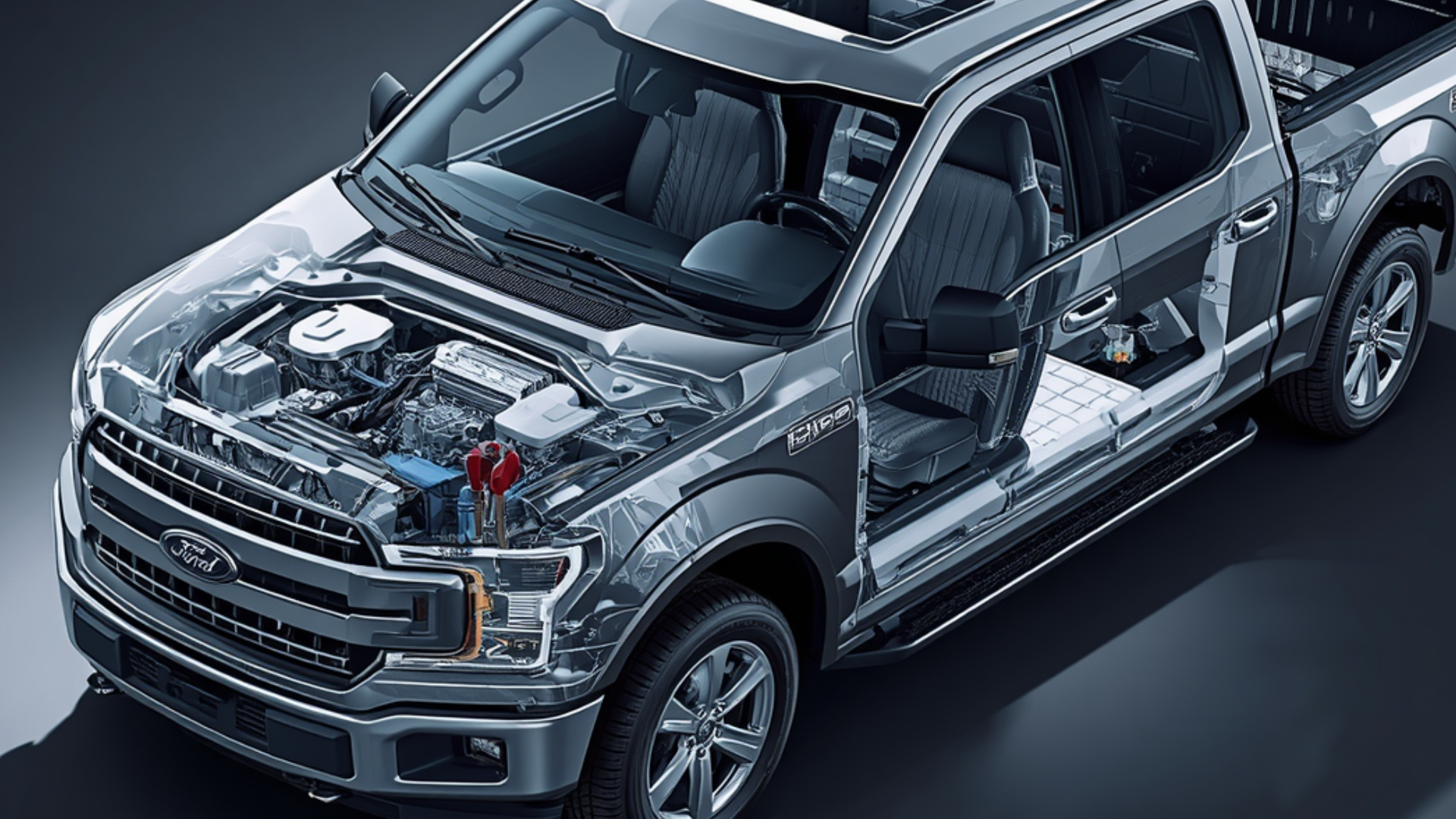
Aluminum vs. Steel: Why Modern Ford F-150s Require Specialized Repair Tools
Fixing an aluminum F-150 with steel tools is a recipe for disaster. Discover the hidden world of galvanic corrosion and…
Claiming After-Market Accessories: Is Your Custom Lift Kit or Paint Covered?
Intro Many drivers believe that “full coverage” means everything attached to the vehicle is protected. Unfortunately, standard Texas auto policies…
Understanding “Supplement” Payments: Why Your Initial Insurance Check is Too Low
Your first insurance check is rarely enough to cover the full repair. Discover the world of “supplements” and why hidden…

The Hidden Cost of “Insurance-Preferred” Shops: What Drivers Aren’t Told
Insurance companies push “preferred” shops to save money, not to save your car. Learn the truth about Direct Repair Programs…