Call Us Today! (325) 701-9983

Claiming After-Market Accessories: Is Your Custom Lift Kit or Paint Covered?
Back to Blog
Intro
Many drivers believe that “full coverage” means everything attached to the vehicle is protected. Unfortunately, standard Texas auto policies are designed to cover the vehicle in its original manufacturer configuration. If you’ve added a $4,000 suspension lift or a $6,000 custom matte paint job, your insurer may only be obligated to pay for a factory-standard shock absorber or a basic coat of factory paint unless you have taken specific steps to insure those upgrades. Understanding how to bridge this “customization gap” is the only way to protect the thousands of dollars you’ve invested in your build.
The Default: “Actual Cash Value” and Factory Specs
Most standard insurance policies in Texas operate on an Actual Cash Value (ACV) basis, which accounts for depreciation and focuses on factory specifications. If you are involved in an accident and your custom wheels are destroyed, the insurance adjuster will typically look up the price of the original rims that came with the car. If your custom wheels cost twice as much, the insurer is generally not required to pay the difference unless you have a “Custom Parts and Equipment” (CPE) endorsement. Without this specific add-on, you may find yourself receiving a settlement check that leaves you thousands of dollars short of being able to rebuild your car to its modified state.
Custom Parts and Equipment (CPE) Endorsements
To ensure your modifications are protected, you must declare them to your insurance company through a CPE endorsement. In 2026, many Texas insurers automatically include a small amount of custom equipment coverage—often capped at $1,000—within a standard collision policy. However, for serious enthusiasts, this is rarely enough. You can typically purchase additional coverage in increments, often up to $5,000 or $10,000, which specifically lists your modifications. For high-value custom builds where the upgrades exceed $20,000, you may need to move away from a standard policy altogether and look into “Agreed Value” specialty insurance to ensure every dollar is accounted for.
The Importance of Documentation and Disclosure
Failing to disclose your modifications can do more than just leave you underinsured; it can lead to a denied claim. If you have performance-enhancing mods like a turbocharger or a nitrous system that you didn’t report, the insurance company could argue that the vehicle’s risk profile was higher than what they agreed to cover, potentially voiding your policy. To protect yourself, maintain a comprehensive “build folder” that includes every receipt, the brand name and part number of each accessory, and high-resolution photos of the installation. Under new 2026 Texas transparency laws (HB 2067), insurers must provide a clear written explanation if they deny coverage for a part, and having this paper trail is your best defense during a dispute.
Conclusion
Your car is a reflection of your personality and needs, but don’t let your passion project become a financial liability. A simple phone call to your agent to add a CPE endorsement is usually surprisingly affordable—often costing less than a single tank of gas per month. By being transparent with your insurer and documenting every upgrade, you ensure that if the worst happens, you’ll be able to replace every custom bolt and specialized component that made your vehicle unique.
Protecting the unique value of your custom upgrades requires a proactive approach to insurance documentation and professional repair estimates to ensure you are fully compensated after an accident CLICK HERE
Frequently Asked Questions
Does a custom paint job count as a modification?
Yes. In Texas, a custom paint job or a full vinyl wrap is considered a permanent alteration to the vehicle’s exterior. Standard policies will only pay for the cost of returning the vehicle to its original factory color. If you want your specialty finish or wrap covered, it must be listed under your custom equipment coverage.
Are there limits on how high a lift kit can be for insurance to cover it?
Most standard insurers in Texas have “safety thresholds” for modifications. It is common for policies to exclude coverage for suspension lifts that exceed 4 to 6 inches, as these significantly alter the vehicle’s center of gravity and roll risk. If your lift is extreme, you may need a specialized off-road or high-risk insurance policy.
What about “hidden” mods like engine tuning or software?
Software tunes and ECU remapping are some of the hardest modifications to claim. Because they don’t have a “physical” presence like a bumper, adjusters often overlook them. However, if your engine is damaged in a wreck, the insurer may refuse to pay for a high-performance replacement unless you had a rider on your policy that specifically included performance internal components.
Recent Blogs

Can a Bent Car Frame Truly Be Straightened? The Truth About Structural Repair
A bent frame isn’t always the end of the road. Learn the truth about structural repair, from laser alignment to…
The Challenges of Color-Matching “Tri-Coat” and Metallic Factory Paint
Modern car paint is more than just color—it’s a multi-layer optical illusion. Discover why tri-coat and metallic finishes are a…
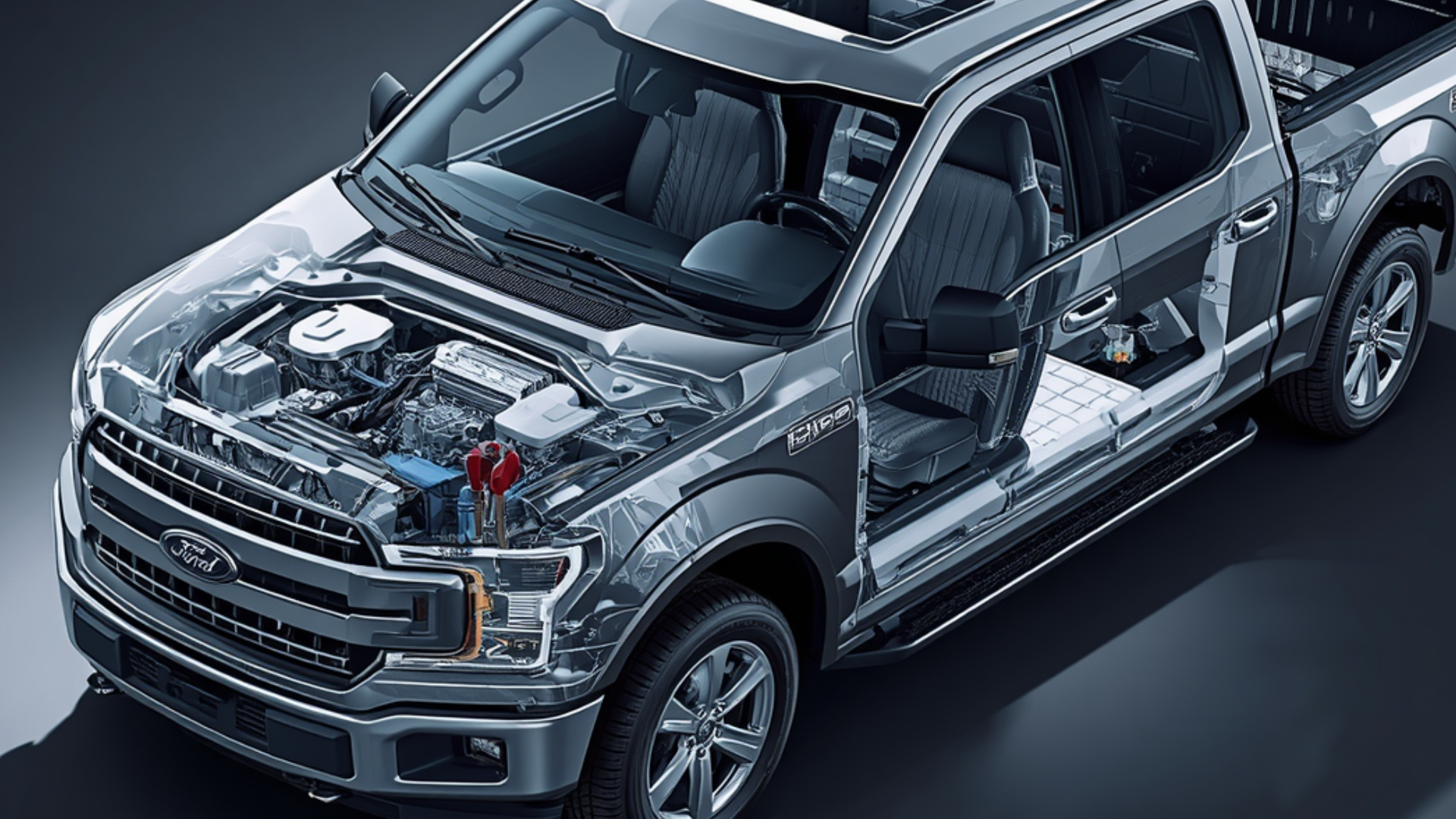
Aluminum vs. Steel: Why Modern Ford F-150s Require Specialized Repair Tools
Fixing an aluminum F-150 with steel tools is a recipe for disaster. Discover the hidden world of galvanic corrosion and…

Claiming After-Market Accessories: Is Your Custom Lift Kit or Paint Covered?
Intro Many drivers believe that “full coverage” means everything attached to the vehicle is protected. Unfortunately, standard Texas auto policies…

Understanding “Supplement” Payments: Why Your Initial Insurance Check is Too Low
Your first insurance check is rarely enough to cover the full repair. Discover the world of “supplements” and why hidden…

The Hidden Cost of “Insurance-Preferred” Shops: What Drivers Aren’t Told
Insurance companies push “preferred” shops to save money, not to save your car. Learn the truth about Direct Repair Programs…