Call Us Today! (325) 701-9983

Can a Bent Car Frame Truly Be Straightened? The Truth About Structural Repair
Back to Blog
Intro
The frame is the foundation of your vehicle’s safety, and even a few millimeters of misalignment can compromise everything from tire wear to airbag deployment. For decades, a “bent frame” was considered a death sentence for a car, leading to poor handling and “dog-tracking” down the road. However, with the advent of computerized laser measuring and high-precision hydraulic pulling systems, most structural damage can now be corrected with surgical accuracy. The real question isn’t whether it can be straightened, but whether it can be restored to its original crashworthiness.
The Science of Laser-Guided Straightening
Modern structural repair relies on 3D laser-measuring systems that compare your car’s current state against the manufacturer’s original blueprinted dimensions. Technicians bolt the vehicle to a massive steel platform called a “frame rack” and use hydraulic towers to apply tons of controlled force. Because the computer provides real-time feedback—accurate to within a single millimeter—technicians can pull the metal back into its exact factory position. This eliminates the “guessing” of the past and ensures that the suspension mounting points and safety sensors are exactly where they need to be for the car to drive straight.
Unibody vs. Body-on-Frame Repairs
The success of a frame repair depends heavily on how your car was built. Most modern sedans and SUVs use a unibody construction, where the body and frame are a single, integrated unit. In these vehicles, damage often “radiates,” meaning a hit to the front can subtly twist the rear of the car. Straightening a unibody requires a global approach to ensure the entire shell is square. In contrast, trucks and large SUVs often use body-on-frame construction, where a heavy steel ladder sits under the body. These frames are incredibly strong; while they are harder to bend, they often require more aggressive hydraulic force to correct once they are out of alignment.
When Straightening Isn’t Enough: Sectioning
There is a limit to how much metal can be “massaged” before it loses its structural integrity. If a frame rail is kinked or crushed (rather than just bent), straightening it may actually weaken the metal, making it dangerous in a future accident. In these cases, certified shops perform structural sectioning. This involve cutting out the damaged portion of the frame at factory-approved locations and welding in a brand-new “service assembly” from the manufacturer. This “cut-and-replace” method ensures the car’s crumple zones will still fold correctly in the next impact, rather than snapping or resisting.
Conclusion
A professionally straightened frame is perfectly safe to drive, provided the shop followed the manufacturer’s specific repair procedures (OEM standards). The key is transparency: if a shop uses 3D measuring and provides a “before and after” printout of your car’s alignment, you can trust the repair. However, if a frame is severely mangled, “totaling” the car is often the safer financial and physical choice. A straight car is good, but a car that still has its original structural strength is what truly saves lives.
It is vital to ensure that your vehicle’s frame and safety systems are restored to their original structural integrity through professional 3D measurement and manufacturer-approved techniques CLICK HERE
Frequently Asked Questions
Does a straightened frame affect my car’s resale value?
Yes. Even a perfect repair must be disclosed, and it will often appear on vehicle history reports as “structural damage.” This usually leads to a decrease in resale value, which is why it is often wise to file a Diminished Value Claim to recover the financial difference from the insurance company.
Can you tell if a frame was straightened just by looking at it?
To the untrained eye, no. However, a professional inspector will look for “clamp marks” on the pinch welds under the car—these are the spots where the frame machine gripped the vehicle to pull it. They will also look for new welds or “heat signatures” where the metal was worked.
Is the car as strong as it was before the accident?
If repaired according to OEM guidelines, the car should perform identically in a subsequent crash. Manufacturers design “repair procedures” specifically to ensure that the structural integrity and energy-absorption characteristics (crumple zones) are maintained. If the metal was over-stretched or heated improperly, it may be weaker, which is why choosing a certified shop is non-negotiable.
Recent Blogs

Can a Bent Car Frame Truly Be Straightened? The Truth About Structural Repair
A bent frame isn’t always the end of the road. Learn the truth about structural repair, from laser alignment to…
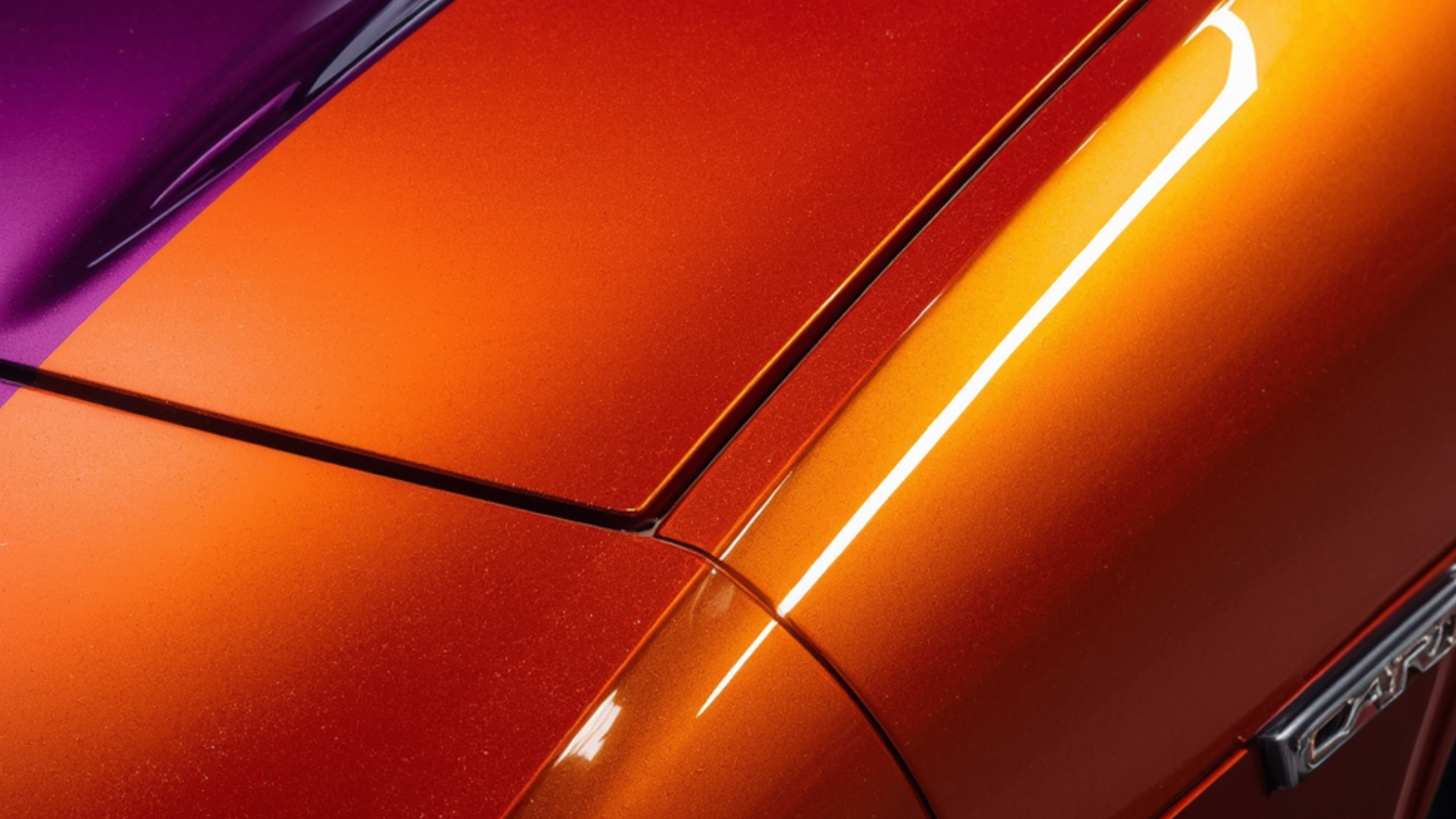
The Challenges of Color-Matching “Tri-Coat” and Metallic Factory Paint
Modern car paint is more than just color—it’s a multi-layer optical illusion. Discover why tri-coat and metallic finishes are a…
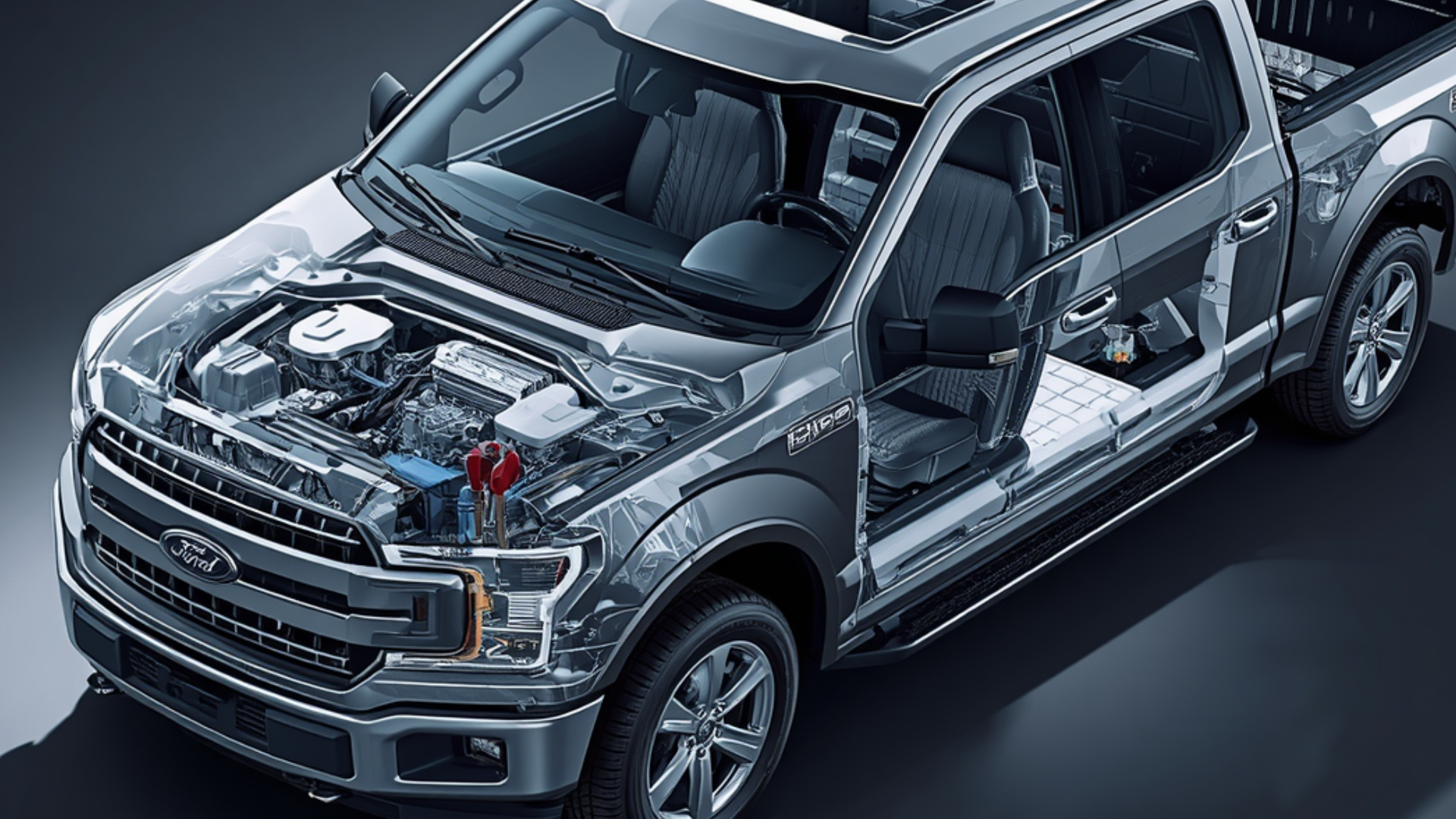
Aluminum vs. Steel: Why Modern Ford F-150s Require Specialized Repair Tools
Fixing an aluminum F-150 with steel tools is a recipe for disaster. Discover the hidden world of galvanic corrosion and…

Claiming After-Market Accessories: Is Your Custom Lift Kit or Paint Covered?
Intro Many drivers believe that “full coverage” means everything attached to the vehicle is protected. Unfortunately, standard Texas auto policies…
Understanding “Supplement” Payments: Why Your Initial Insurance Check is Too Low
Your first insurance check is rarely enough to cover the full repair. Discover the world of “supplements” and why hidden…

The Hidden Cost of “Insurance-Preferred” Shops: What Drivers Aren’t Told
Insurance companies push “preferred” shops to save money, not to save your car. Learn the truth about Direct Repair Programs…