Call Us Today! (325) 701-9983

What Happens If You Delay Collision Repair?
Back to Blog
Introduction
After a fender bender in Abilene, it’s tempting to put off repairs, especially if the damage appears to be “just cosmetic.” However, modern vehicles are integrated systems where one small issue can quickly trigger a chain reaction of mechanical and safety failures. Delaying collision repair doesn’t just hurt your car’s appearance—it can lead to significantly higher costs, compromised safety, and even the denial of insurance claims. At D&D Collision, we’ve seen firsthand how a simple fix can turn into a major overhaul simply because it was left to sit.
Safety risks
The most critical reason to avoid delaying repairs is your safety. Your vehicle is equipped with engineered “crumple zones” designed to absorb the energy of an impact. If these zones are already deformed from a previous accident, they cannot protect you effectively in a second one. Furthermore, even a minor bump can misalign the sensitive sensors used for airbags and Advanced Driver Assistance Systems (ADAS). If these sensors are out of place, your airbags might not deploy when needed, or your automatic braking system could fail to activate.
Mechanical issues that worsen
What starts as a bodywork problem often evolves into a mechanical nightmare. For example, a small dent near a wheel can knock your suspension out of alignment. If left unaddressed, this misalignment causes your tires to wear down prematurely and puts immense strain on your steering components and wheel bearings. Similarly, a minor front-end impact can create hairline cracks in your radiator or cooling hoses. Over time, these small leaks can lead to engine overheating and catastrophic failure, turning a few hundred dollars in body work into thousands of dollars in engine repairs.
Rust and paint failure
In the West Texas environment, exposed metal is a ticking time bomb. When an accident chips or cracks your paint, the protective barrier is gone. Moisture and road chemicals immediately begin to attack the raw metal underneath. Rust after an accident spreads quickly beneath the surrounding paint, bubbling up and eating through the steel. Once rust sets in, a simple “sand and paint” job is no longer an option; you may eventually need an entire panel replacement to restore the structural integrity and look of the vehicle.
Insurance timing and claim issues
Insurance companies expect drivers to act reasonably to prevent further damage. Most policies have strict reporting windows and “loss mitigation” clauses. If you wait months to fix a dent and that area develops severe rust, the insurance company may deny coverage for the rust repair, labeling it as “secondary damage” caused by your neglect. Furthermore, the longer you wait, the harder it is for an adjuster to verify that the damage was caused by the original accident and not a subsequent, unreported event.
When to schedule an estimate
The best time to schedule an estimate is within 24 to 48 hours of the incident. Even if you aren’t ready to start the work immediately, getting a professional auto body inspection in Abilene creates a documented record of the damage. This protects your insurance claim and gives you a clear understanding of whether your vehicle is truly safe to drive in the meantime. At D&D Collision, we provide thorough estimates that identify both visible and hidden issues so you can make an informed decision about your repair timeline.
Conclusion
Delaying collision repair is a gamble where the stakes are your safety and your wallet. Between the risk of structural failure and the inevitable spread of rust, “waiting until later” almost always results in a more expensive and dangerous situation. By addressing damage promptly, you preserve your vehicle’s safety standards, maintain its mechanical health, and ensure your insurance coverage remains fully intact.
To find out how untreated scratches and dents can lead to expensive rust: CLICK HERE
FAQs
Can I wait months to repair my car? While you technically can, it is not recommended. Environmental exposure will lead to rust, and internal structural or mechanical damage may worsen with every mile you drive.
Will insurance deny late repairs? They might. If the delay leads to additional damage—like a small crack turning into a massive rust hole—the insurer may refuse to pay for the “preventable” portion of the repair.
What if the damage is “just cosmetic”? Damage is rarely “just cosmetic” in modern cars. Bumpers and fenders house safety sensors and protect the structural frame. Only a professional teardown can confirm if the safety systems are still intact.
Can rust spread quickly in Texas? Yes. While Abilene is dry, any moisture from rain or car washes will sit in the cracks of damaged paint, initiating the oxidation process immediately on exposed metal.
Should I fix bumper damage right away? Yes. Bumpers are your first line of defense. A damaged bumper cannot properly absorb the energy of a second impact, which significantly increases the risk of injury to passengers.
Recent Blogs
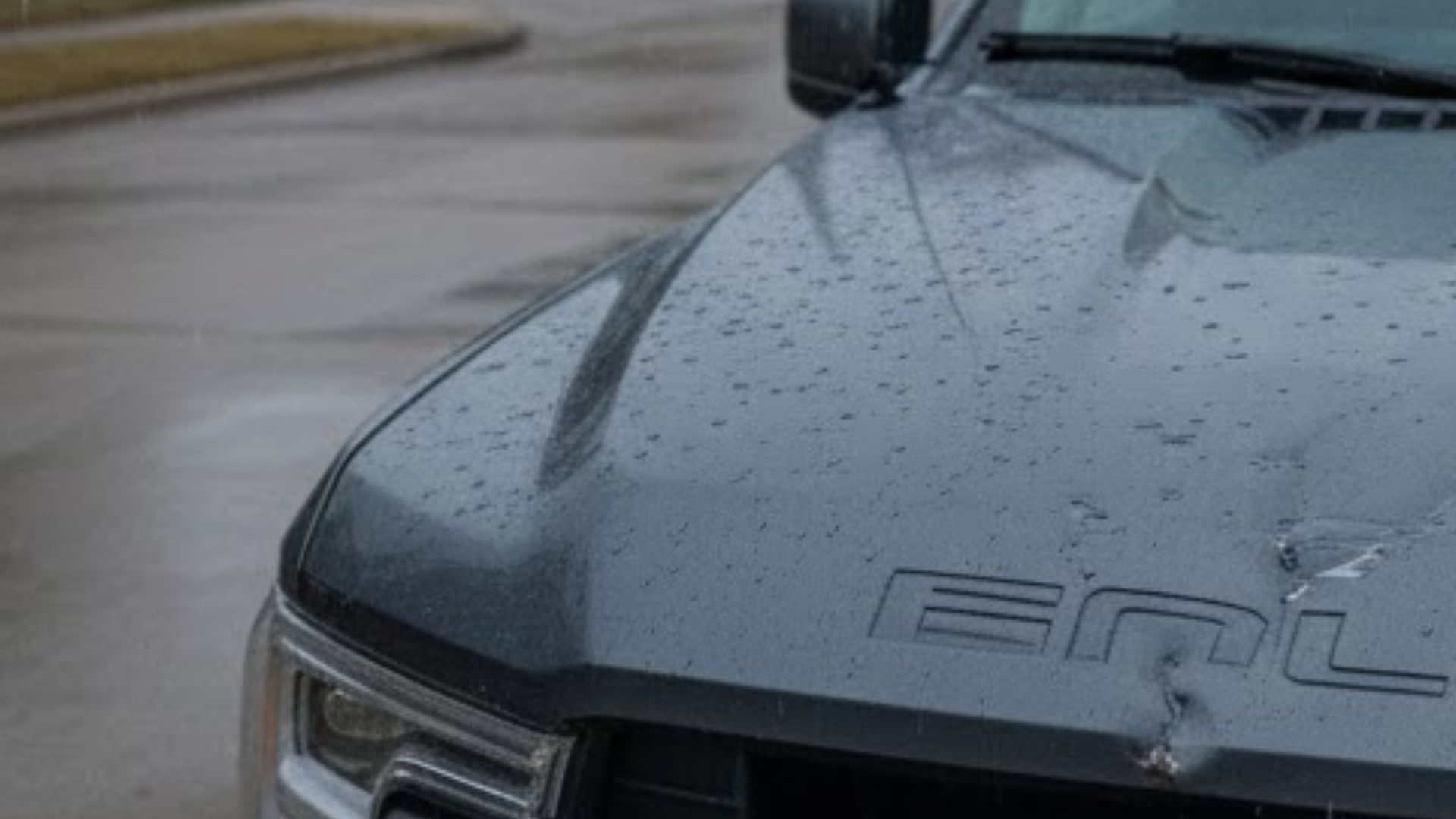
Hail Damage Insurance Claims in Texas: Step-by-Step
From the “Act of God” clause to the supplement process, we break down exactly how to navigate a Texas hail…

Can Hail Damage Cause Rust? Why Fast Repair Matters
It’s not just a dent; it’s a vulnerability. We explain the science of how hail impacts lead to rust and…
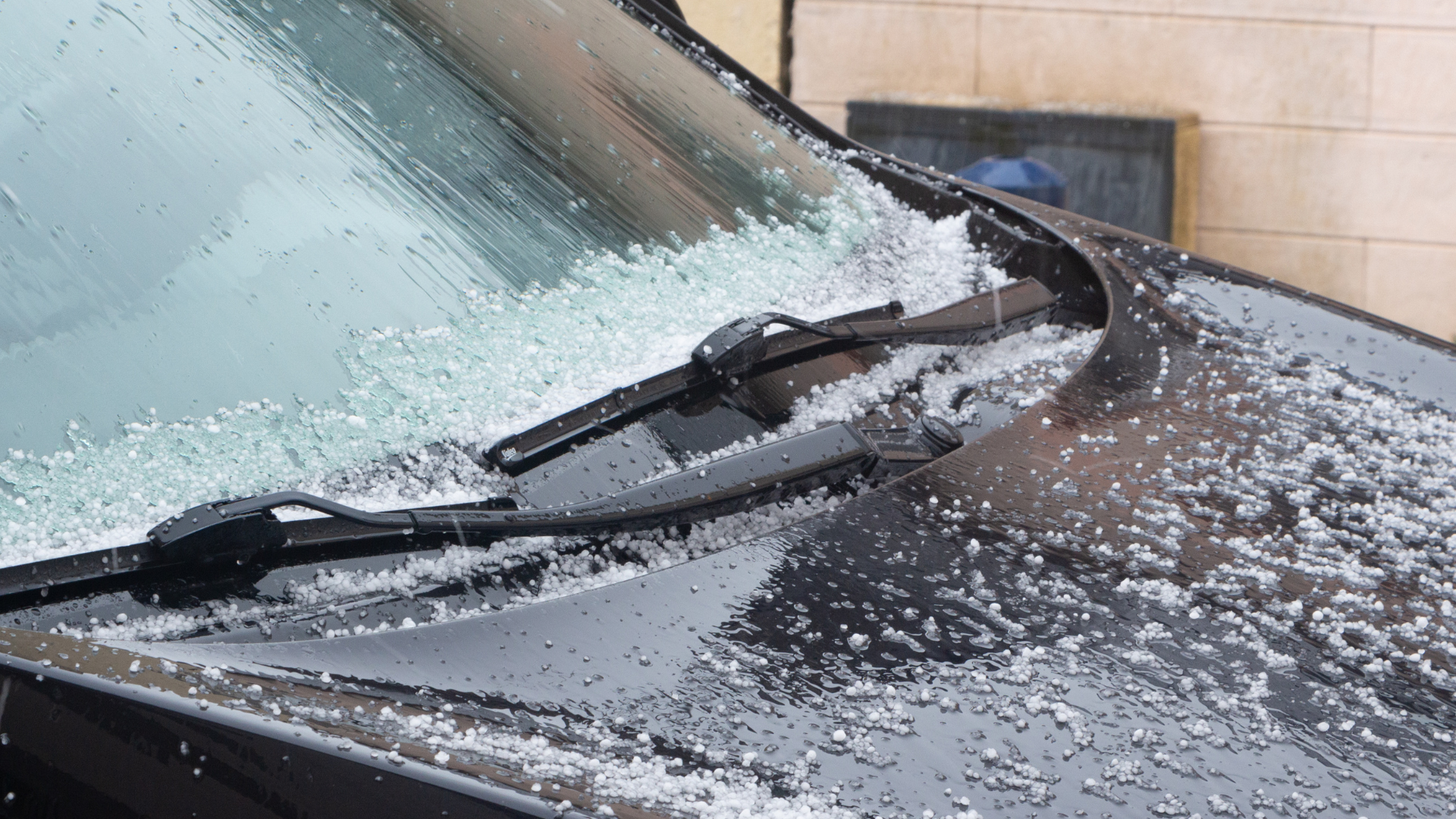
Hail Damage vs. Door Dings: How to Tell the Difference
One dent or a hundred? We show you how to spot the difference between common parking lot dings and weather-related…
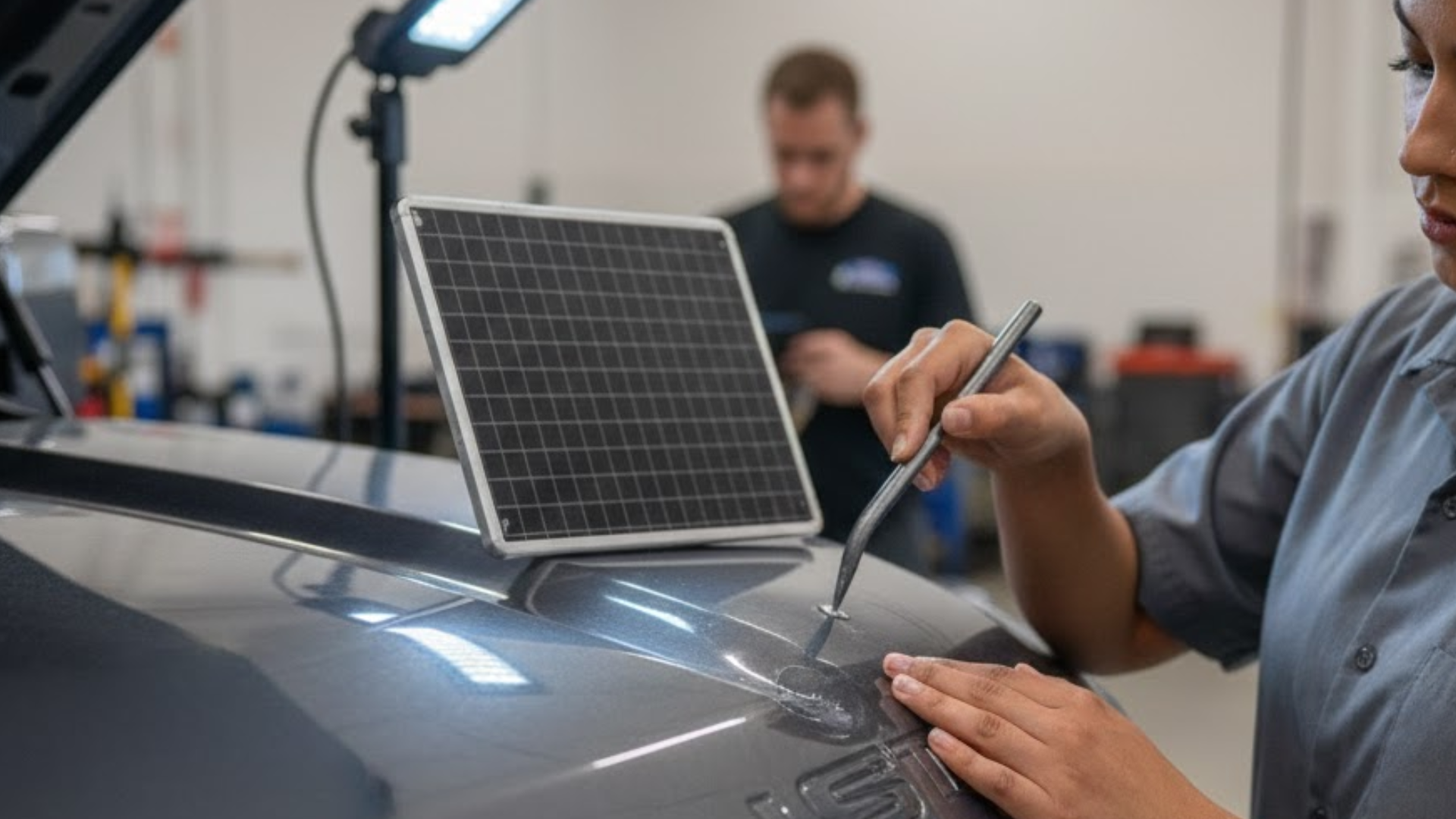
Hail Damage Repair in Abilene, TX: What to Do Right After the Storm
The storm is over—now what? We break down the essential steps every Abilene driver should take immediately after a hailstorm…
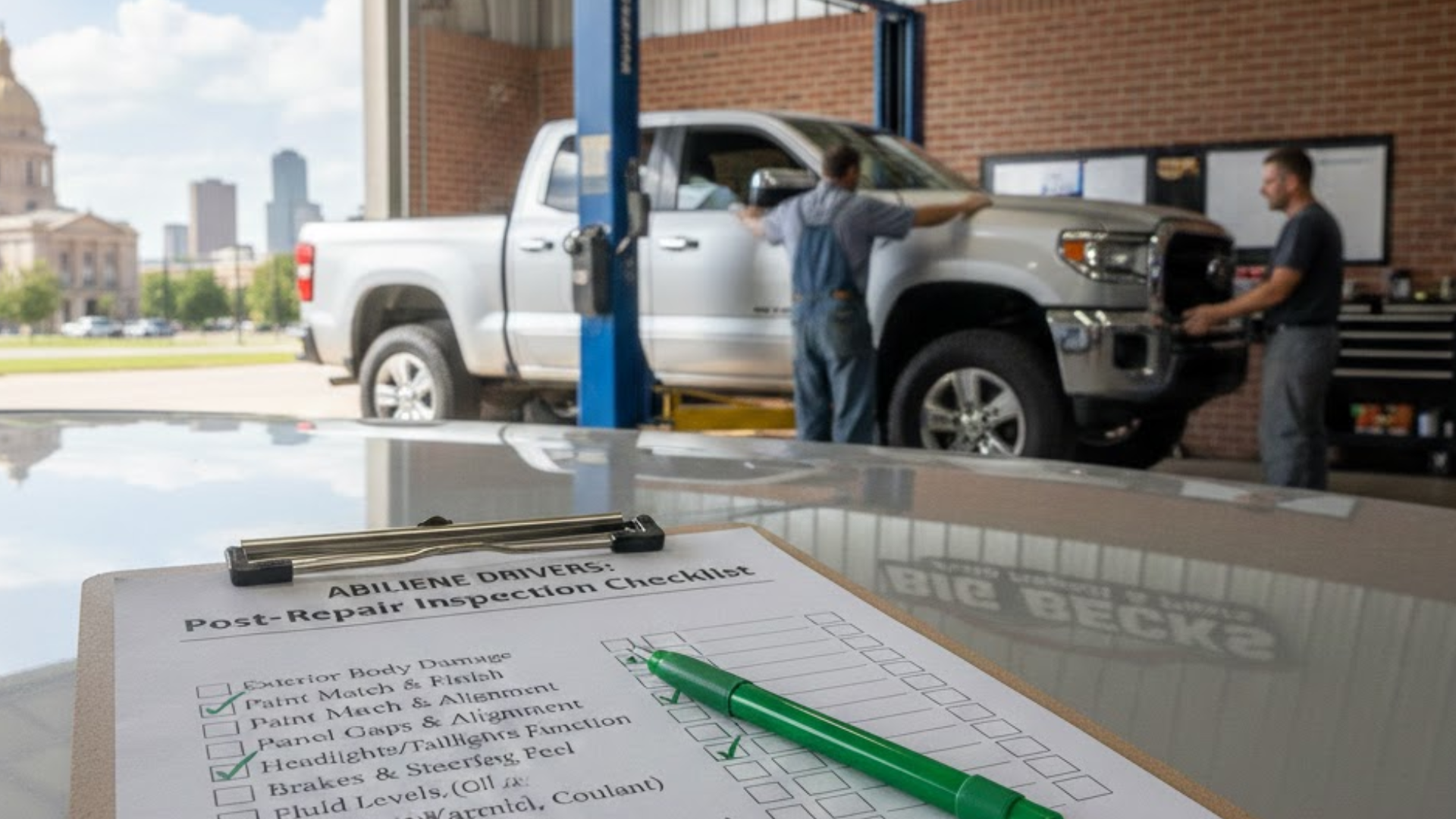
Post-Repair Inspection Checklist for Abilene Drivers
The repair isn’t finished until you say it is. We provide a step-by-step inspection guide for drivers picking up their…
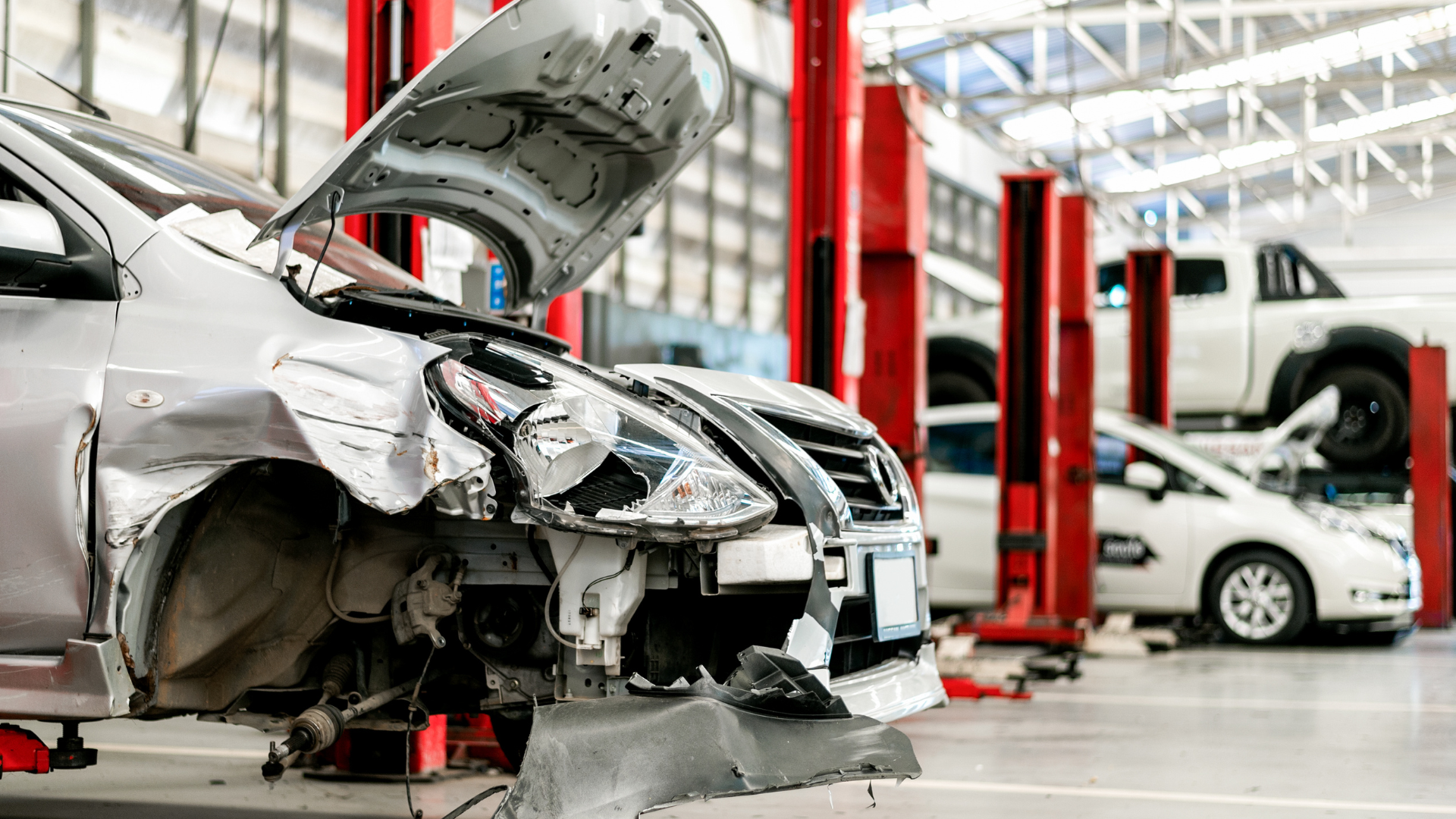
Total Loss vs Repair in Texas: What Drivers Should Know
“Totaled” doesn’t always mean the end of the road. We explain the Texas 100% total loss formula and how you…