Call Us Today! (325) 701-9983


Total Loss vs Repair in Texas: What Drivers Should Know
Back to Blog
Introduction
One of the most stressful moments in the collision repair process is hearing the word “totaled.” For many Abilene drivers, this sounds like a final judgment on their vehicle, but “total loss” is actually a specific financial calculation used by insurance companies. In Texas, the rules for determining whether a car should be repaired or written off are unique. Understanding these regulations can help you navigate the claims process and make the best decision for your financial future.
How insurers calculate total loss
In Texas, a vehicle is typically considered a total loss when the cost of repairs plus the salvage value of the vehicle equals or exceeds 100% of its Actual Cash Value (ACV) immediately before the accident. While some other states use a flat percentage like 75% or 80%, Texas uses a “Total Loss Formula.” This means if your car is worth $10,000, and repairs cost $7,000 while the scrap (salvage) value is $3,500, the total ($10,500) exceeds the car’s value, and the insurance company will likely declare it totaled.
Repair estimate vs vehicle value
The determination starts with the repair estimate. At D&D Collision, we provide detailed blueprints of the damage, which the insurance adjuster compares against the vehicle’s market value. The “Actual Cash Value” isn’t what you paid for the car or what it would cost to buy a brand-new one; it is the fair market value of your car in its pre-accident condition, factoring in mileage, wear and tear, and local Abilene market trends. If the math doesn’t support a repair, the insurer will offer a settlement check for the ACV minus your deductible.
Salvage titles explained
If a vehicle is declared a total loss but is still repairable, the Texas Department of Motor Vehicles (TxDMV) will issue a salvage title. A vehicle with a salvage title cannot be legally driven on public roads in Texas. To return the car to the road, it must be fully repaired and pass a rigorous “rebuilt” inspection by a certified state inspector. Once it passes, it receives a “Rebuilt Salvage” brand on the title. While this allows the car to be registered and driven, it significantly lowers the resale value and can make the vehicle harder to insure or finance in the future.
Your options if you disagree
You are not required to accept the insurance company’s first valuation. If you believe your car is worth more—perhaps because you recently installed new tires, an upgraded sound system, or have a meticulous maintenance record—you can provide documentation to negotiate a higher ACV. You also have the right to an “independent appraisal” if your policy includes an appraisal clause. If you want to keep your totaled car, you can choose an “owner-retained salvage” settlement, where the insurer gives you the payout minus the salvage value, and you keep the vehicle to repair it yourself.
What a body shop can document
A professional body shop plays a vital role in the total loss discussion by providing an accurate, line-by-line breakdown of the required repairs. We can help document “prior damage” versus “new damage” to ensure the valuation is fair. Furthermore, we can identify if certain high-cost parts are essential for safety or if there are alternative repair paths that might keep the cost below the total loss threshold. Having a trusted advocate at D&D Collision ensures that the insurance company’s decision is based on real-world repair data rather than just a quick visual scan.
Conclusion
Navigating a total loss claim in Texas requires a clear understanding of market values and state law. Whether you choose to accept the settlement and move on to a new vehicle or decide to retain and rebuild your current car, being informed is your best defense against an unfair payout. At D&D Collision, we are here to provide the expert estimates and documentation you need to handle your total loss or repair decision with total confidence.
To get a professional second opinion on your vehicle’s repairability: CLICK HERE
FAQs
Who decides if my car is totaled? The insurance company makes the final determination based on the repair estimate provided by the shop and their own internal valuation of your vehicle’s market worth.
Can I keep my totaled car? Yes. This is called “owner-retained salvage.” The insurance company will deduct the amount they would have received from a junkyard (the salvage value) from your settlement check, and you keep the car.
Can a car be repaired after total loss? Yes, but it must be issued a salvage title, repaired to state safety standards, and pass a Texas rebuilt vehicle inspection before it can be legally driven again.
What if I still owe on the car? If you have a loan, the insurance check goes to the lienholder first. If the payout is less than what you owe, you are responsible for the “gap” unless you have Gap Insurance.
How do I dispute a total loss value? Provide the adjuster with “comparables”—listings for similar cars for sale in the Abilene area—and receipts for recent major upgrades or maintenance to prove your car’s higher value.
Recent Blogs
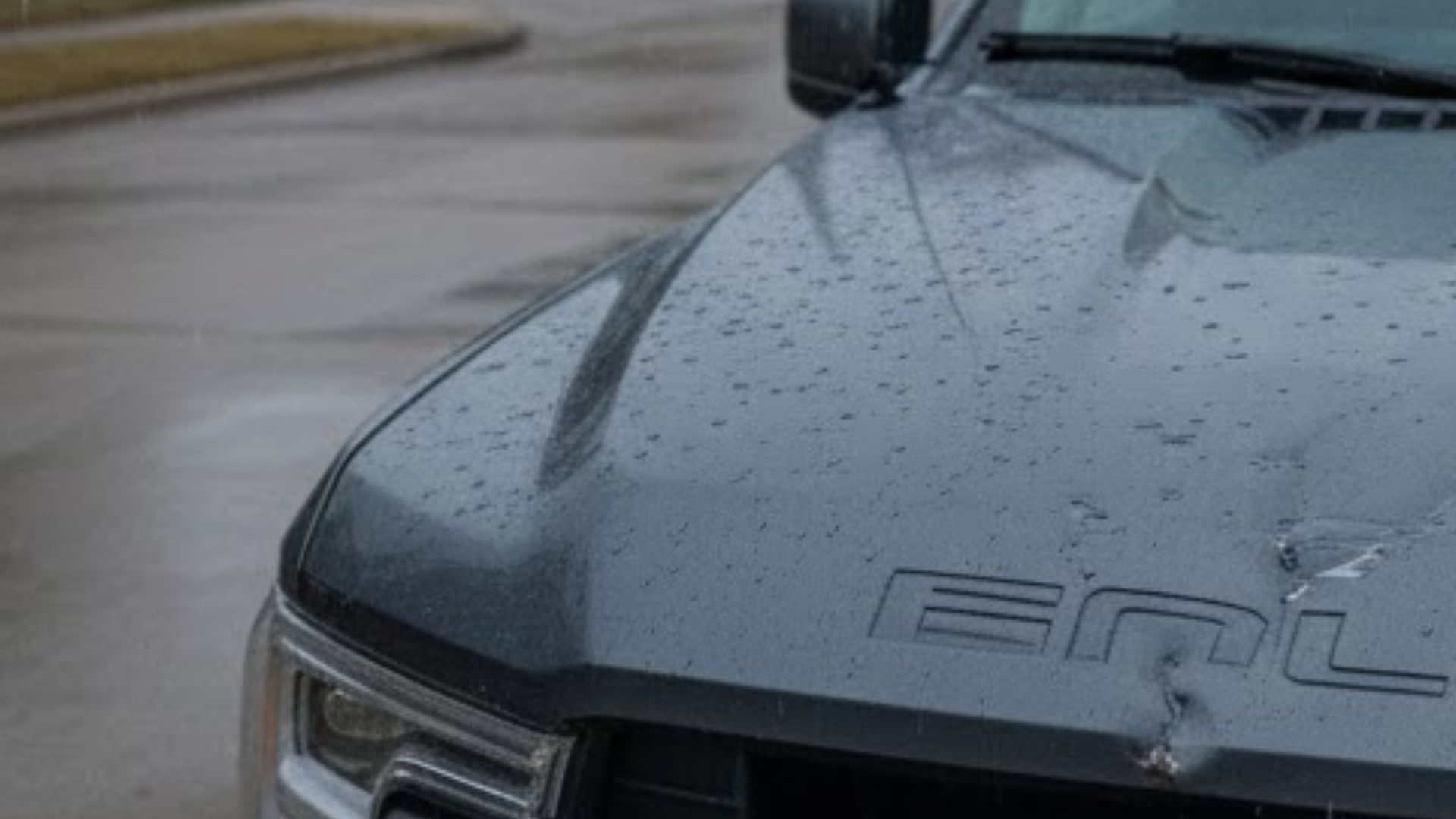
Hail Damage Insurance Claims in Texas: Step-by-Step
From the “Act of God” clause to the supplement process, we break down exactly how to navigate a Texas hail…

Can Hail Damage Cause Rust? Why Fast Repair Matters
It’s not just a dent; it’s a vulnerability. We explain the science of how hail impacts lead to rust and…
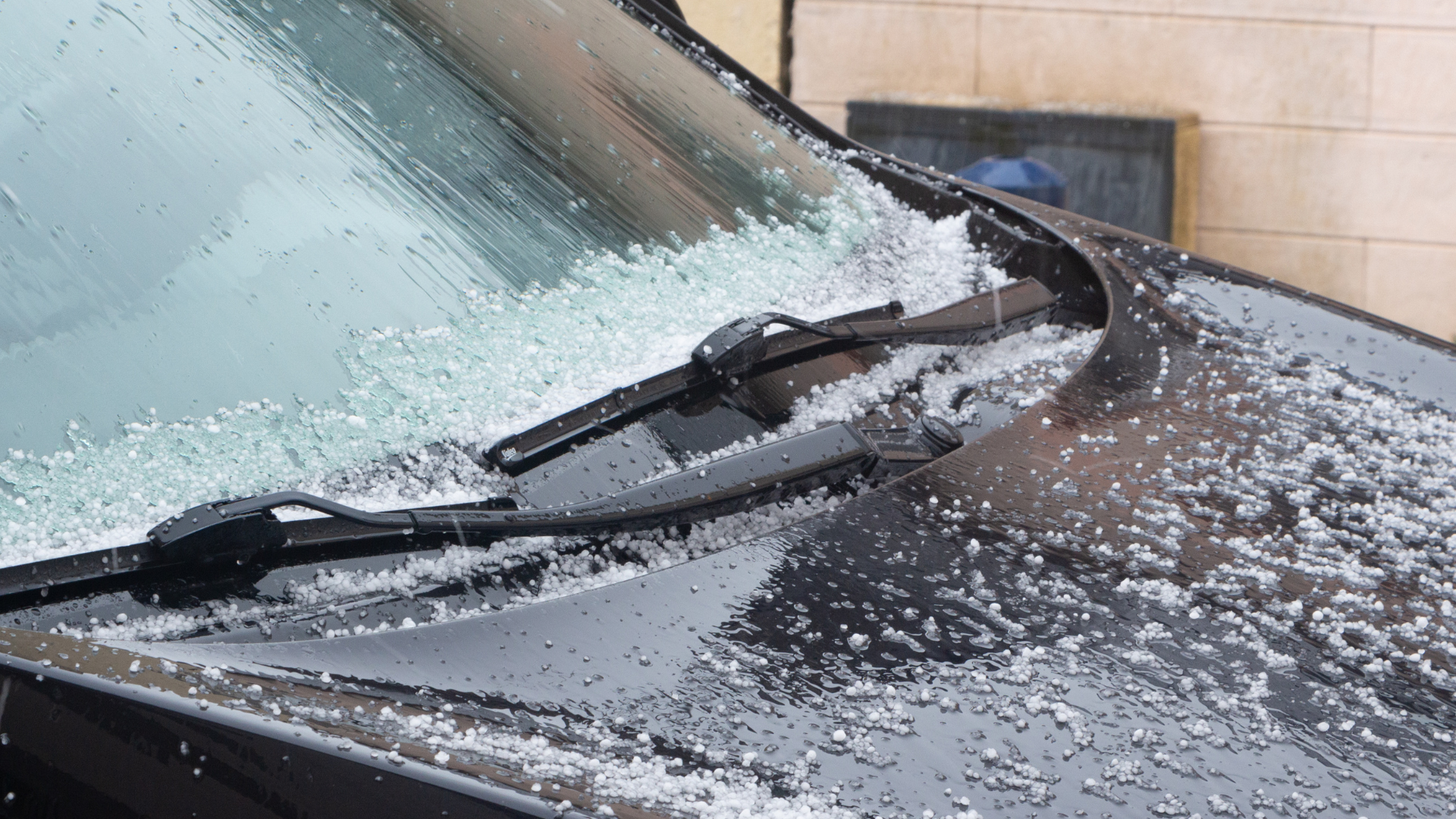
Hail Damage vs. Door Dings: How to Tell the Difference
One dent or a hundred? We show you how to spot the difference between common parking lot dings and weather-related…
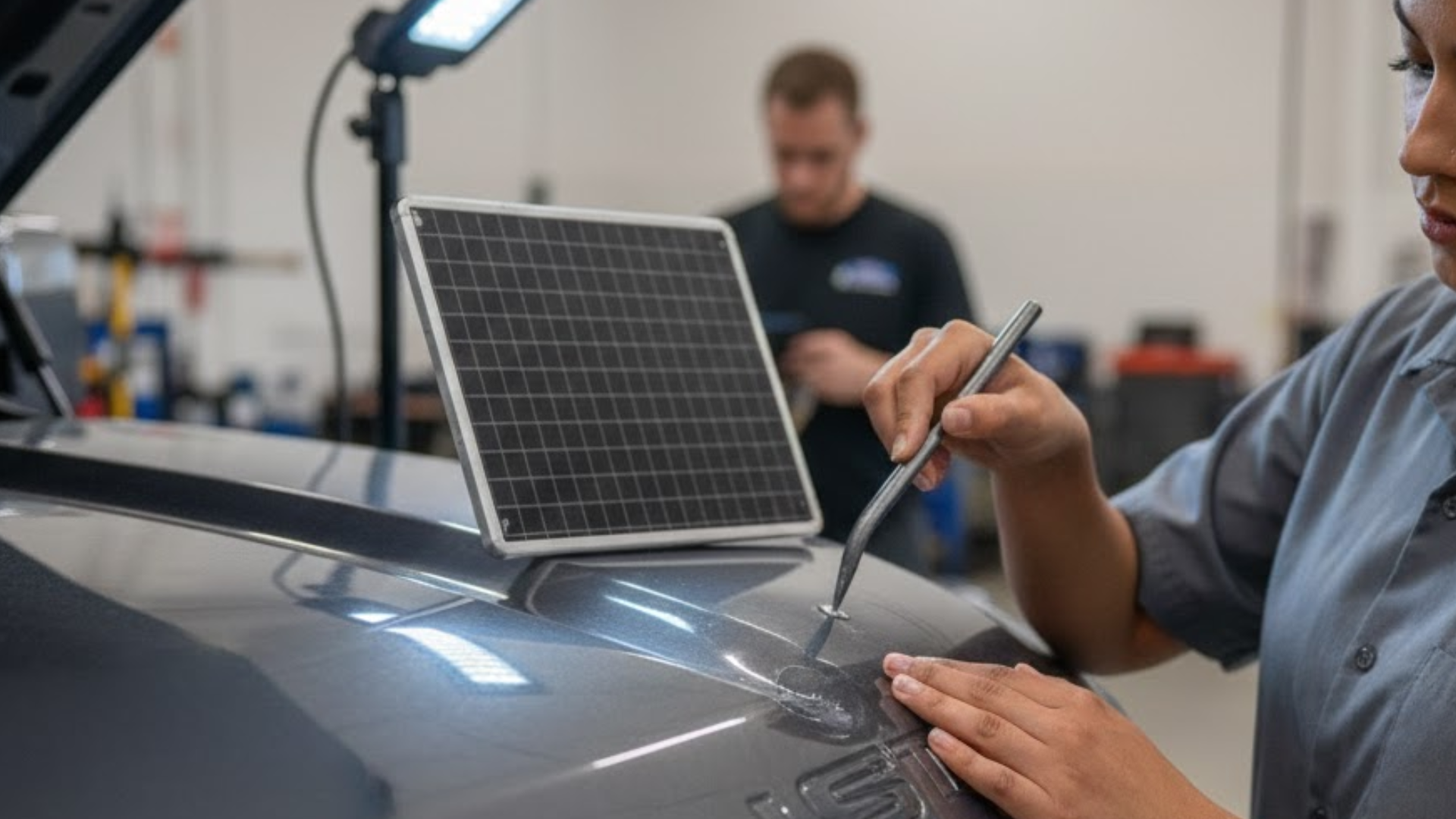
Hail Damage Repair in Abilene, TX: What to Do Right After the Storm
The storm is over—now what? We break down the essential steps every Abilene driver should take immediately after a hailstorm…
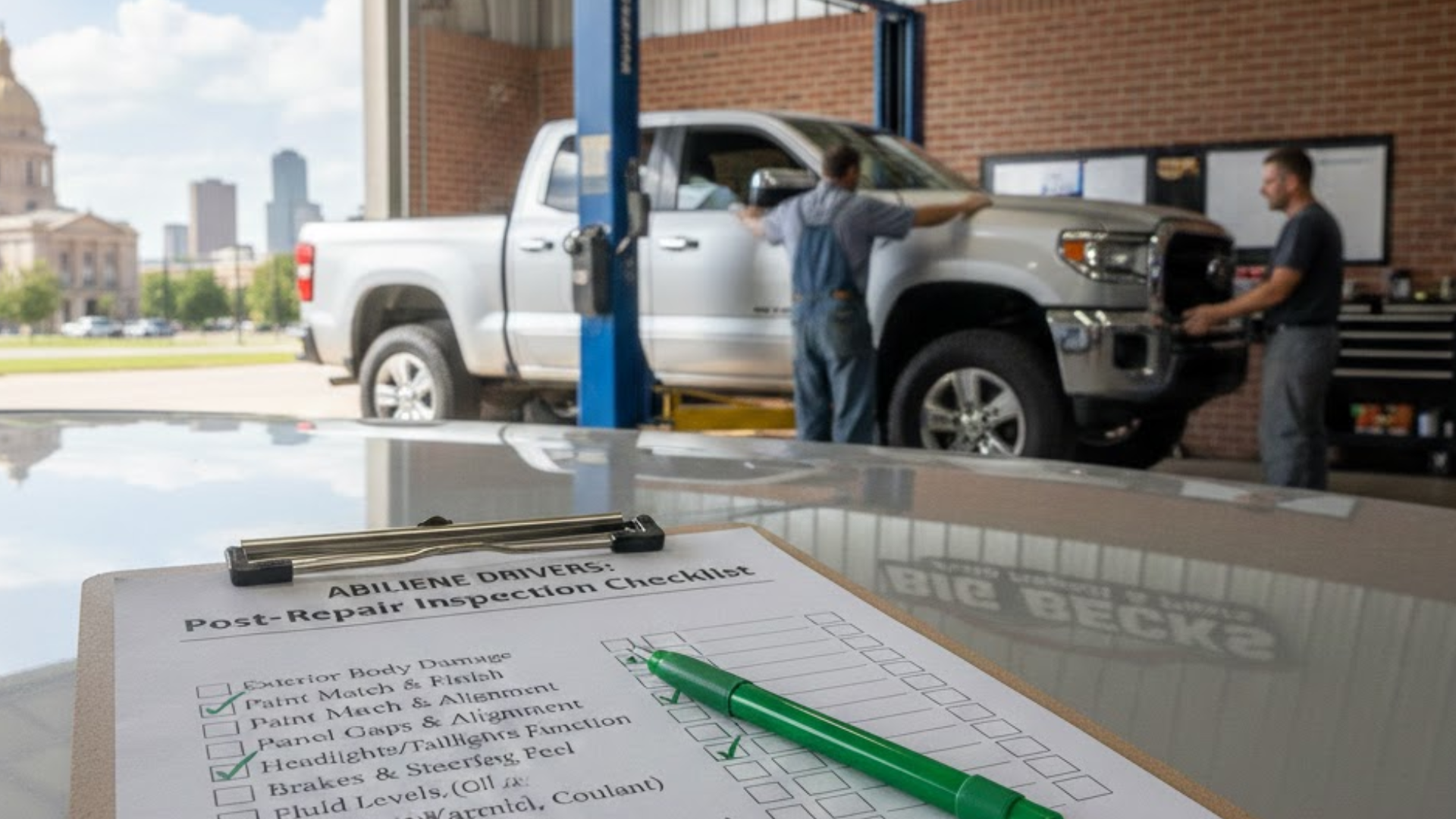
Post-Repair Inspection Checklist for Abilene Drivers
The repair isn’t finished until you say it is. We provide a step-by-step inspection guide for drivers picking up their…

Total Loss vs Repair in Texas: What Drivers Should Know
“Totaled” doesn’t always mean the end of the road. We explain the Texas 100% total loss formula and how you…