Call Us Today! (325) 701-9983

Hidden Damage After a Collision: 7 Areas Most Drivers Miss
Back to Blog
Introduction
After a car accident in Abilene, it is natural to focus on the obvious: the crumpled hood, the shattered headlight, or the scraped door. However, modern vehicles are complex machines designed to distribute impact energy throughout the entire frame. This means that a hit to the front can cause issues in the back, and a “minor” bump can mask significant internal failure. At D&D Collision, we specialize in finding the hidden collision damage that most drivers—and even some insurance adjusters—miss during a preliminary walk-around.
Why hidden damage is common
Modern cars are built with “crumple zones” and plastic body panels that are designed to absorb energy and, in some cases, pop back into their original shape. While this is great for safety and aesthetics, it can be incredibly deceptive. A bumper might look untouched on the outside while the expensive safety sensors and structural reinforcements underneath are completely shattered. Without a professional teardown, these issues remain invisible, leaving your vehicle compromised and potentially unsafe.
7 hidden damage areas
Our technicians have identified seven specific areas where damage frequently hides after an accident. If these are not addressed, they can lead to mechanical failure, safety risks, or rapid vehicle depreciation.
Bumper reinforcement
The plastic piece you see on the outside of your car is just a “cover.” Behind it sits the actual bumper reinforcement bar. This metal beam is the primary line of defense in a crash. We often find that while the plastic cover looks fine, the reinforcement bar is bent or cracked, meaning it will not provide the necessary protection if you are hit a second time.
Sensors and cameras
Most modern vehicles are equipped with Advanced Driver Assistance Systems (ADAS). This includes blind-spot monitors, parking sensors, and radar units for adaptive cruise control. These components are extremely sensitive. Even a small vibration or a slight shift in a body panel can knock them out of alignment, causing your safety features to malfunction or fail to engage when you need them most.
Radiator/condenser
The cooling system is located just behind the front grille. A front-end nudge can easily push the grille into the radiator or the A/C condenser. This often results in hairline fractures that don’t leak immediately but will eventually cause your engine to overheat or your air conditioning to stop working in the middle of a hot Texas summer.
Alignment/suspension
Impact energy travels through the wheels and into the suspension system. It doesn’t take much to bend a control arm or a tie rod. If your car is even slightly out of alignment, you will experience rapid tire wear and poor handling. We always recommend a professional alignment check after any collision to ensure your suspension is still true.
Frame rails
The frame rails are the “spine” of your vehicle. In a significant impact, these rails can shift, crumple, or twist. Even a few millimeters of movement can prevent doors from closing properly or cause the car to “dog-track” down the road. Identifying frame damage early is essential for restoring the structural integrity of the vehicle.
Door hinges
If your car was hit on the side, the energy often travels to the pillars and hinges. You might notice that a door on the opposite side of the impact suddenly feels “sticky” or doesn’t latch with the same click it used to. This indicates that the body of the car has flexed and the hinges have been pulled out of their factory alignment.
Wiring harnesses
Modern cars are filled with miles of electrical wiring. A collision can pinch or fray a wiring harness hidden behind a fender or under the dash. These electrical issues are notorious for showing up weeks after an accident in the form of flickering lights, dead batteries, or mysterious “check engine” codes.
How D&D Collision finds hidden damage
At D&D Collision, we don’t just stop at a visual estimate. We perform a “blueprinting” process where we carefully disassemble the damaged areas of your vehicle. This allows us to see exactly what is happening beneath the surface. We use specialized diagnostic tools to scan your car’s computer for fault codes and utilize precision measuring systems to check for frame alignment, ensuring that your car is returned to you in a state that is truly as good as new.
Conclusion
Hidden damage is the silent enemy of a successful repair. By looking beyond the surface and addressing the seven critical areas mentioned above, you protect your safety, your vehicle’s longevity, and its future resale value. Never assume a car is fine just because it looks okay—always insist on a thorough professional inspection to ensure no hidden issues are left behind.
To learn more about our comprehensive repair services: CLICK HERE
FAQs
Can hidden damage show up days later? Yes. Issues like slow fluid leaks, electrical shorts, or transmission slipping often take a few days of driving to become noticeable to the driver.
Will insurance pay for hidden damage? Yes, as long as the damage is related to the covered accident. We handle the “supplement” process to ensure the insurance company pays for any additional damage we find during teardown.
What is a supplement estimate? A supplement is an addition to the original insurance estimate. It covers the cost of repairs for damage that was only discovered after the vehicle was disassembled at the shop.
Is it safe to drive with hidden damage? Generally, no. If your frame is bent or your sensors are misaligned, your vehicle will not perform correctly in an emergency or a subsequent crash.
How soon should I get inspected? You should schedule an inspection as soon as possible after the accident. Delaying an inspection can lead to more severe mechanical issues or the denial of an insurance claim.
Recent Blogs
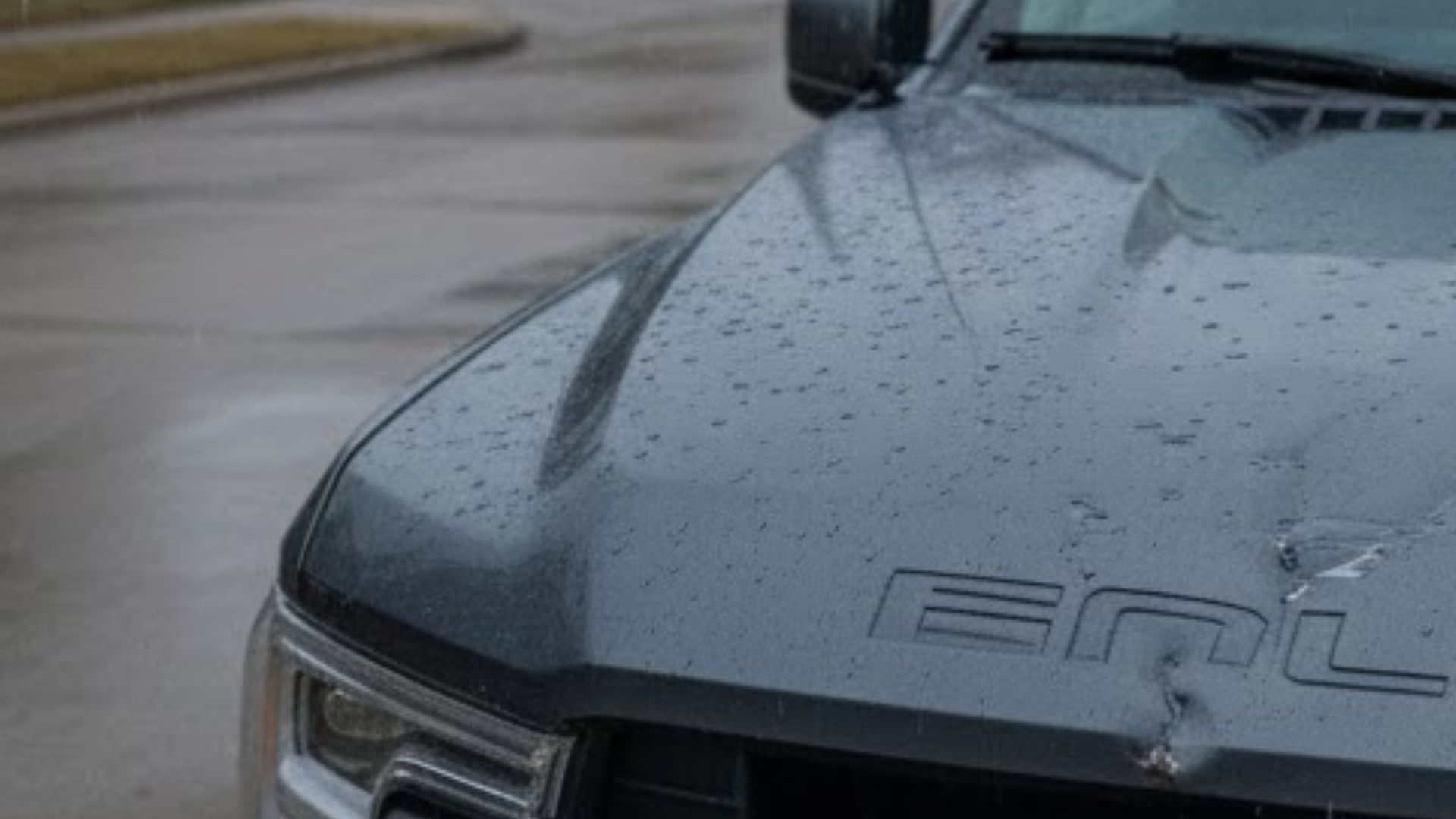
Hail Damage Insurance Claims in Texas: Step-by-Step
From the “Act of God” clause to the supplement process, we break down exactly how to navigate a Texas hail…

Can Hail Damage Cause Rust? Why Fast Repair Matters
It’s not just a dent; it’s a vulnerability. We explain the science of how hail impacts lead to rust and…
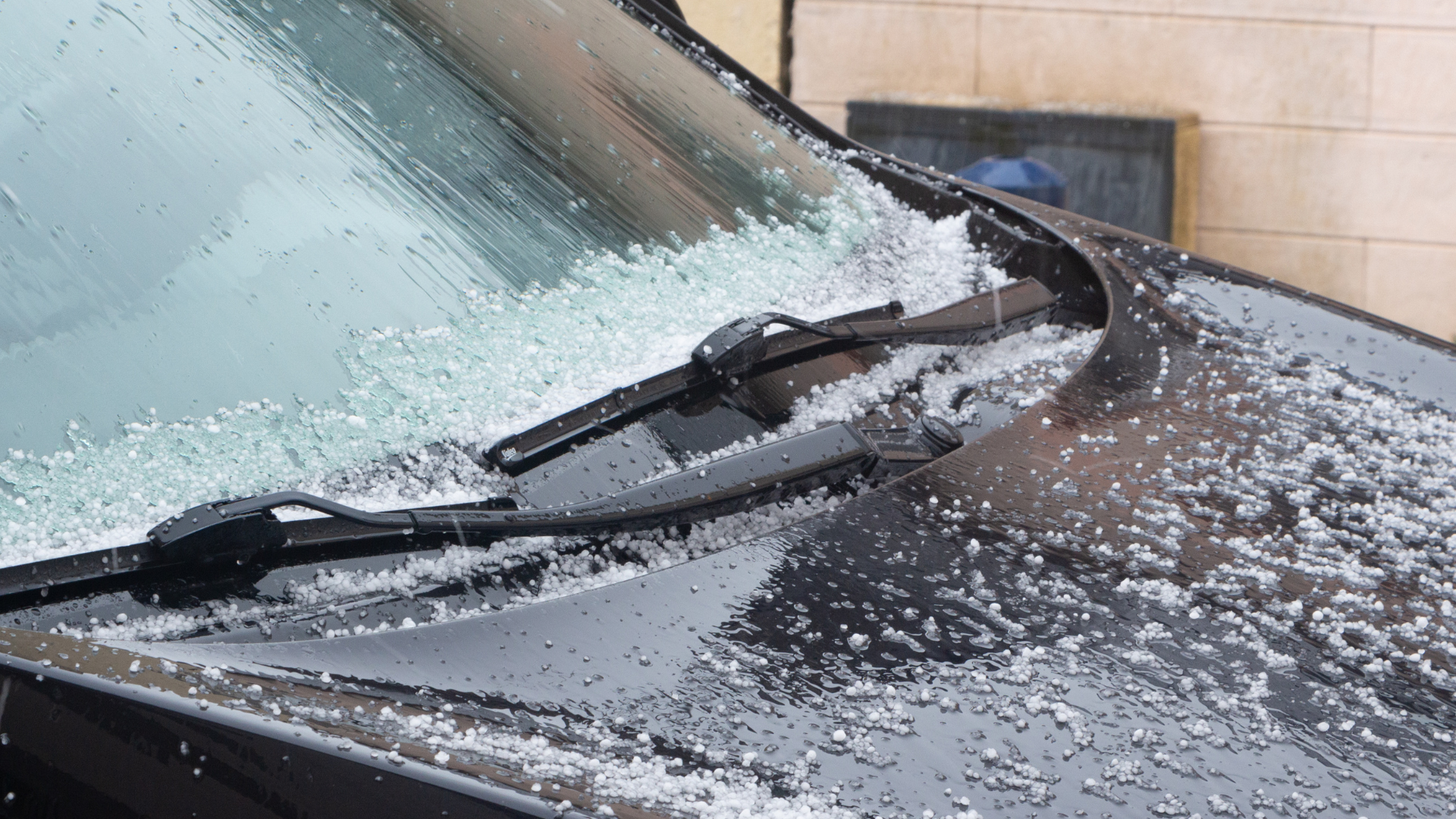
Hail Damage vs. Door Dings: How to Tell the Difference
One dent or a hundred? We show you how to spot the difference between common parking lot dings and weather-related…
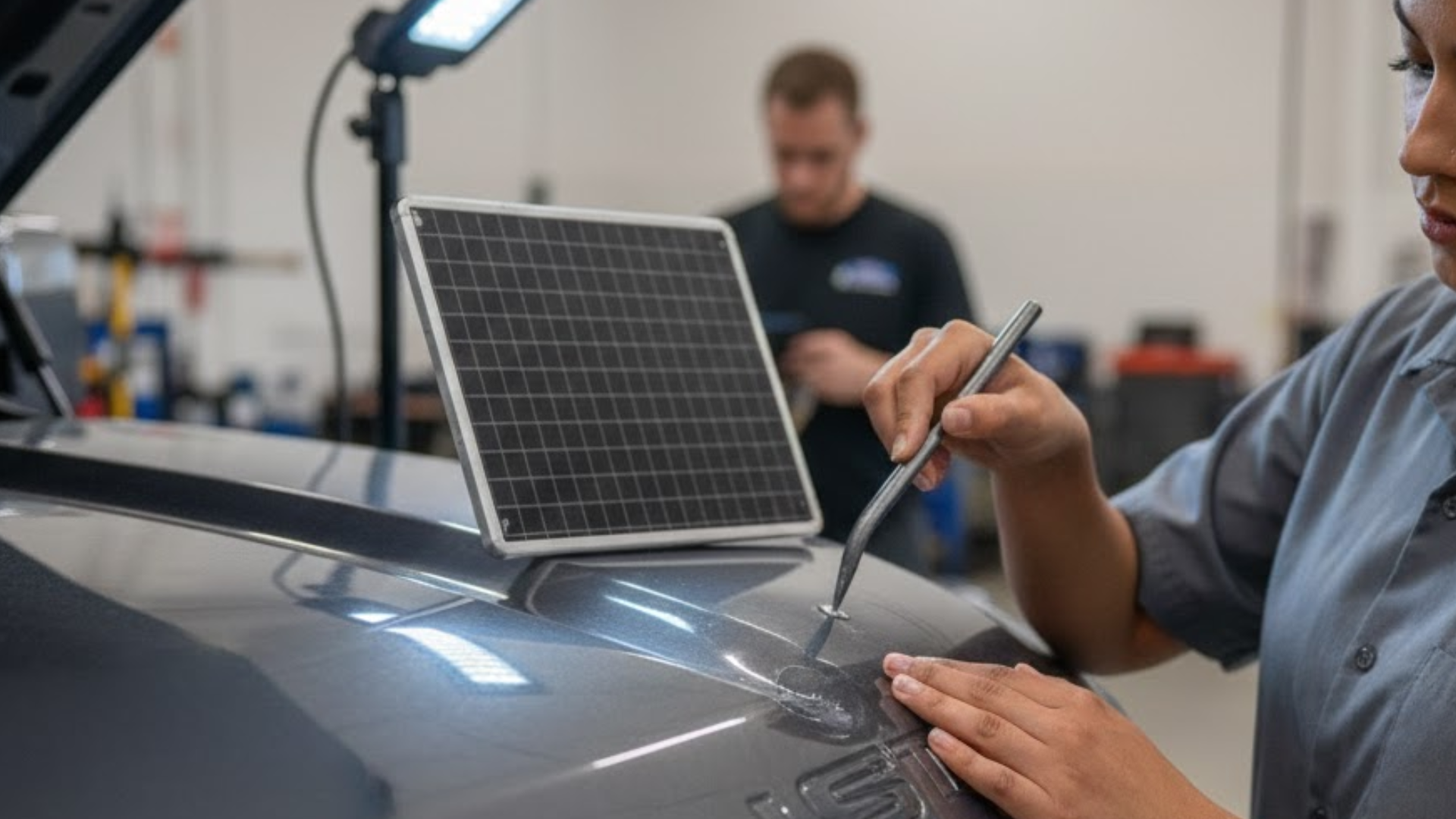
Hail Damage Repair in Abilene, TX: What to Do Right After the Storm
The storm is over—now what? We break down the essential steps every Abilene driver should take immediately after a hailstorm…
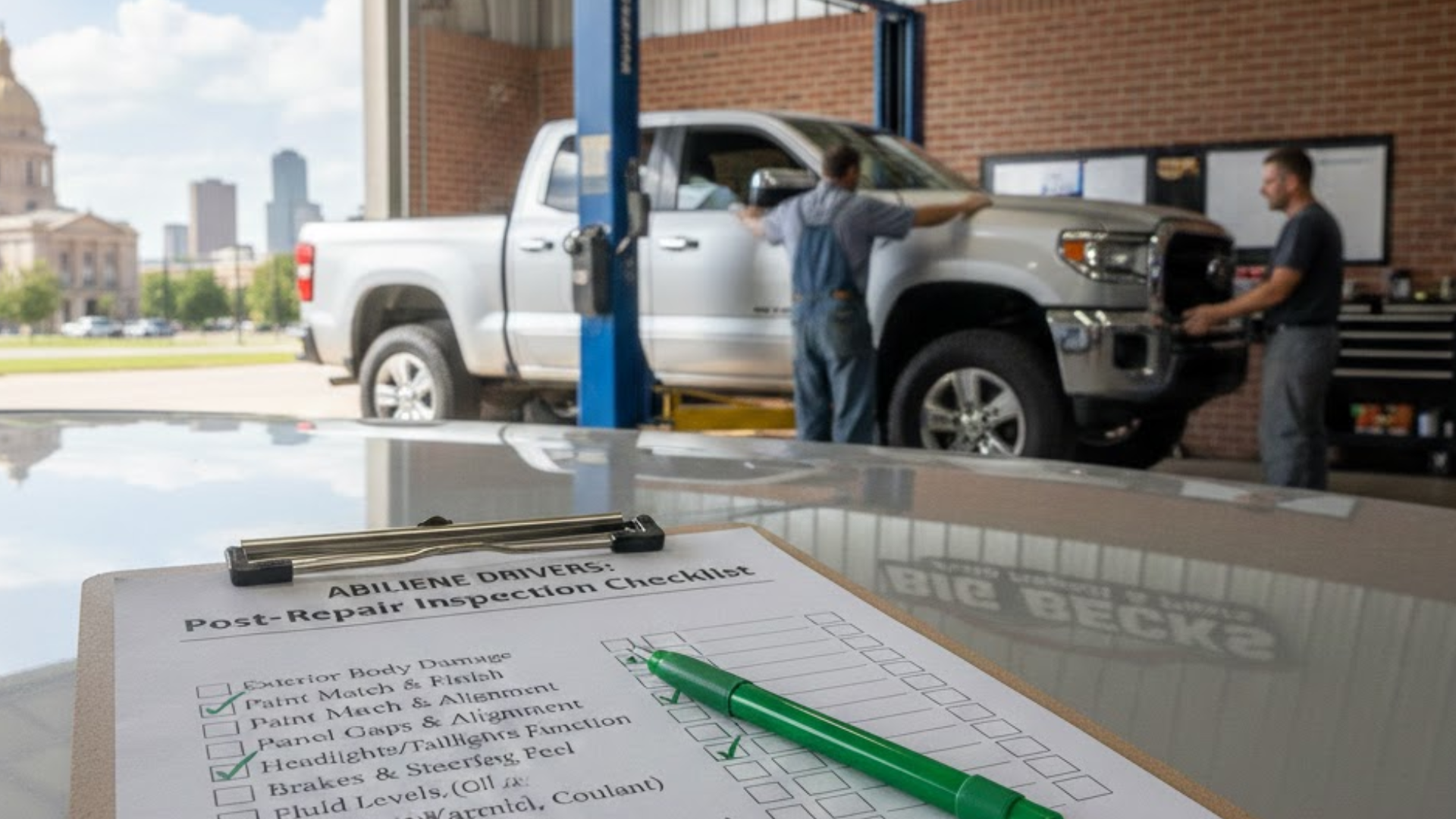
Post-Repair Inspection Checklist for Abilene Drivers
The repair isn’t finished until you say it is. We provide a step-by-step inspection guide for drivers picking up their…
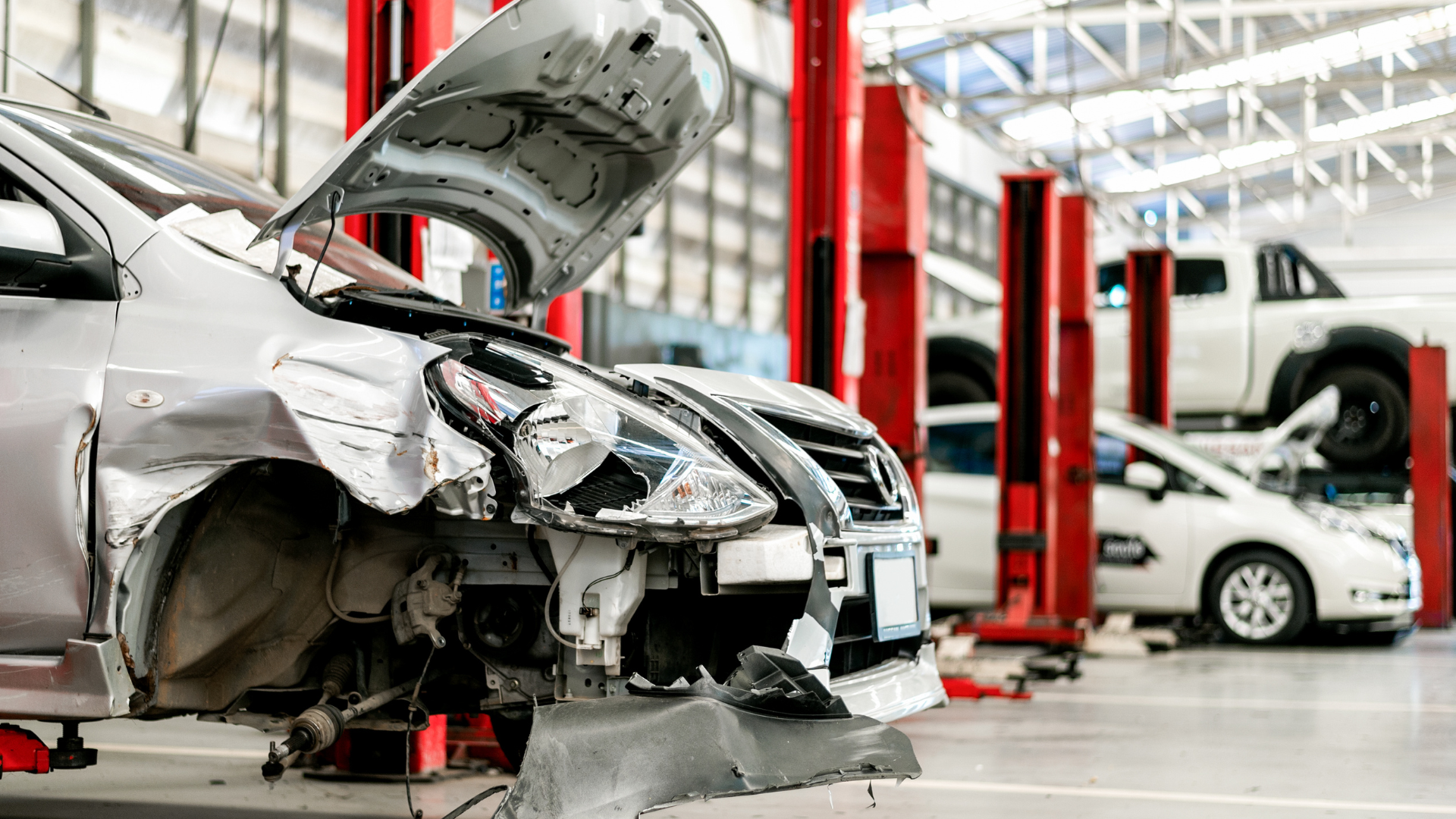
Total Loss vs Repair in Texas: What Drivers Should Know
“Totaled” doesn’t always mean the end of the road. We explain the Texas 100% total loss formula and how you…