Call Us Today! (325) 701-9983

The Hidden Dangers of Hail Damage: Why Prompt Repairs Matter
Back to Blog
Intro
Hail storms can wreak havoc on your vehicle in a matter of minutes, leaving behind unsightly dents and potentially serious structural issues. While the damage may seem cosmetic at first glance, ignoring hail damage can lead to costly problems down the road. At D & D Collision, we specialize in restoring hail-damaged vehicles using proven methods that ensure long-term value and performance. In this blog, we’ll dive into the hidden risks of untreated hail damage and explain why acting quickly is always the best choice.
Structural Integrity Can Be Compromised
Many vehicle owners underestimate the seriousness of hail damage. Even small dents can weaken the structural components of a car, especially when the damage affects areas like the roof, hood, or trunk. In some cases, hail can cause microfractures in the paint and underlying metal, leaving your vehicle more vulnerable to rust and corrosion over time. At D & D Collision, we thoroughly inspect each hail-damaged vehicle to ensure all compromised areas are identified and repaired to factory standards.
Cosmetic Damage Affects More Than Looks
Appearance matters—especially when it comes to the resale or trade-in value of your car. Dents, scratches, and chipped paint caused by hail not only diminish your vehicle’s aesthetic appeal but also create a negative impression of its overall condition. Potential buyers may assume that visible damage is a sign of neglect or hidden issues. Prompt repairs help preserve your car’s appearance and maintain its value in a competitive market.
Waiting Can Cost You More in the Long Run
Delaying repairs may seem like a way to save money, but it often leads to higher expenses. Hail damage can worsen with exposure to the elements, especially when moisture seeps into dents or cracks, accelerating rust and deterioration. Additionally, waiting too long could complicate insurance claims or reduce your eligibility for coverage. At D & D Collision, we work directly with your insurance provider to ensure timely service and full coverage for qualified claims.
Conclusion
Hail damage may look minor, but its impact on your vehicle’s structure, appearance, and long-term value can be significant. The sooner you act, the better your chances of avoiding further deterioration and unnecessary expenses. At D & D Collision, we take pride in offering high-quality, reliable hail damage restoration that gives you peace of mind and protects your investment. Don’t wait—let our experts help you bring your vehicle back to life today.
To learn how leaving hail dents untreated can lead to cracked paint, moisture intrusion, and long-term rust issues: CLICK HERE
Frequently Asked Questions: The Hidden Risks of Hail
Can untreated hail damage lead to rust and corrosion?
Yes. Even if the paint doesn’t look “broken” to the naked eye, the force of a hailstone impact can create microscopic fractures in the clear coat and paint layers. Over time, exposure to rain, humidity, and temperature changes allows moisture to seep into these tiny cracks and reach the raw metal underneath. Once oxidation begins, rust can spread silently beneath the paint surface, eventually leading to bubbling and structural weakening of the body panels. Prompt repairs—especially through Paintless Dent Repair (PDR)—reseal these areas and prevent a small ding from becoming a costly corrosion problem.
How does hail damage affect my car’s high-tech safety sensors?
Modern vehicles are packed with sensitive technology, including cameras, radar, and LiDAR units often tucked behind the windshield, bumpers, and even the roof. A hailstorm can dislodge these components or dent the metal surfaces they are mounted to, throwing off their precise calibration. A sensor that is shifted by just a few millimeters can cause your Automatic Emergency Braking or Lane Departure Warning to malfunction or fail when you need them most. At D&D Collision, our restoration process includes inspecting and recalibrating these systems to ensure your vehicle’s safety tech is as reliable as the day it left the factory.
Is it true that hail can compromise my car’s structural integrity?
While it’s rare for hail to “total” a car’s frame, repeated high-velocity impacts can weaken the structural cohesion of certain areas, such as the roof pillars and welded seams. The roof is a critical component of a vehicle’s rollover protection; significant denting can reduce its ability to support weight or absorb energy during a secondary accident. Additionally, cracked glass from hail isn’t just a visibility issue—it weakens the overall rigidity of the vehicle’s cabin. Repairing this damage promptly ensures that your car’s “safety cage” remains fully intact for your protection.
What are the insurance risks of delaying hail repairs?
Waiting to fix hail damage can create a major headache for future insurance claims. If your vehicle is hit by a second storm or involved in a collision before the original hail damage is repaired, your insurance company may deny coverage for the new damage or significantly reduce your payout, citing “pre-existing conditions.” Insurers view unrepaired damage as a sign of neglect, which can complicate your policy renewals and lower your total loss value. By handling repairs immediately, you maintain a clean vehicle history and ensure you are fully protected for any future incidents.
Recent Blogs

How to Spot Roof & Hood Hail Damage Before It Gets Worse
A quick glance isn’t enough. We show you the pro “reflection trick” and other DIY steps to find hidden hail…

Hail Repair Timeline During Storm Season (Abilene Reality Check)
From the initial storm surge to the final polish, we break down the 6-week reality of hail repair in West…

Collision + Hail Damage: Which Repair Comes First?
A double whammy of a wreck and a storm can be overwhelming. We explain the “safety first” sequence for fixing…

Does Hail Damage Reduce Your Car’s Value?
A few dents can cost you thousands in trade-in value. We explore how hail damage affects depreciation and why professional…
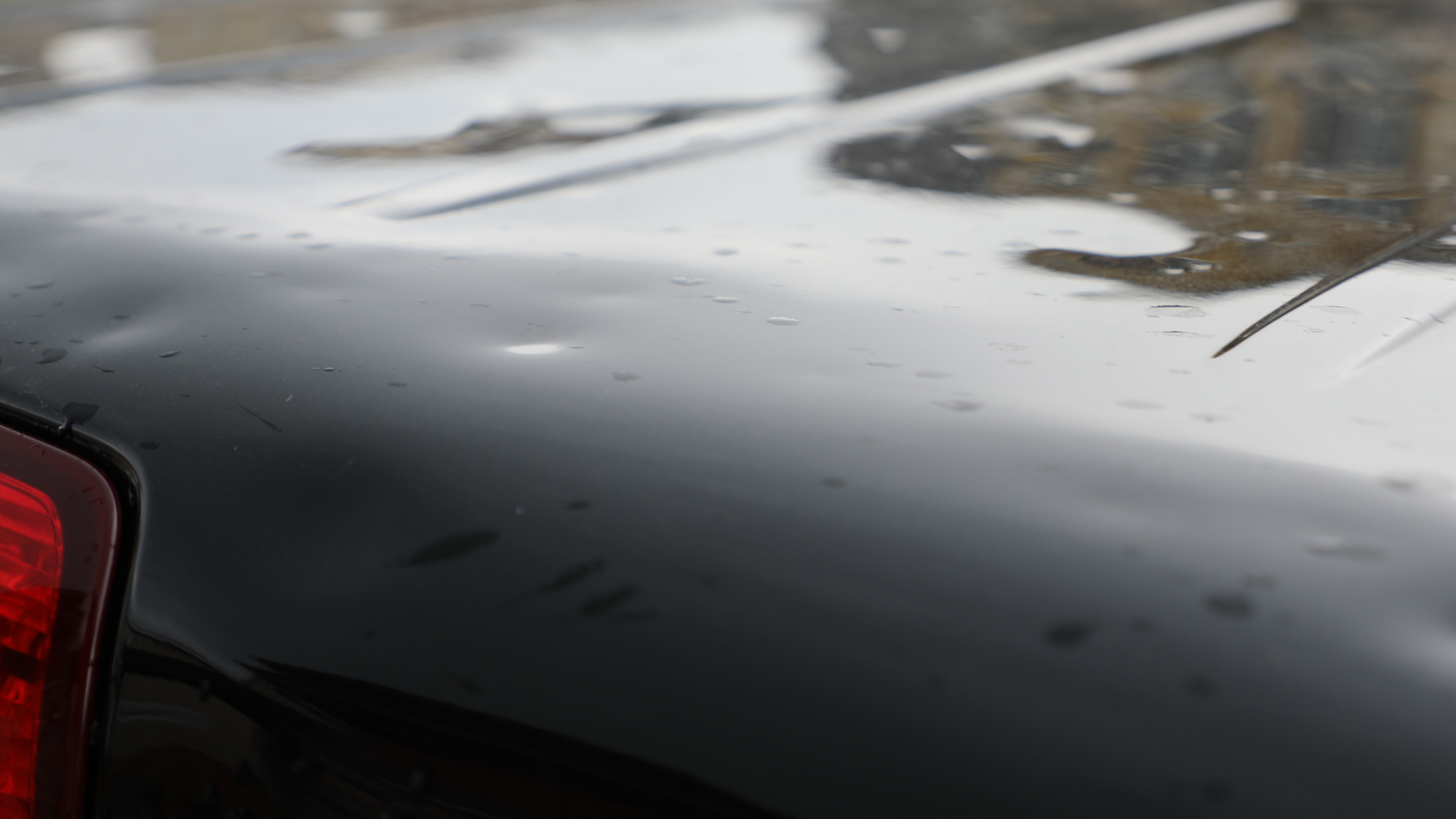
PDR vs. Traditional Hail Damage Repair: Which Is Better?
Is Paintless Dent Repair always the best choice? We compare PDR and traditional bodywork for hail damage, helping you understand…
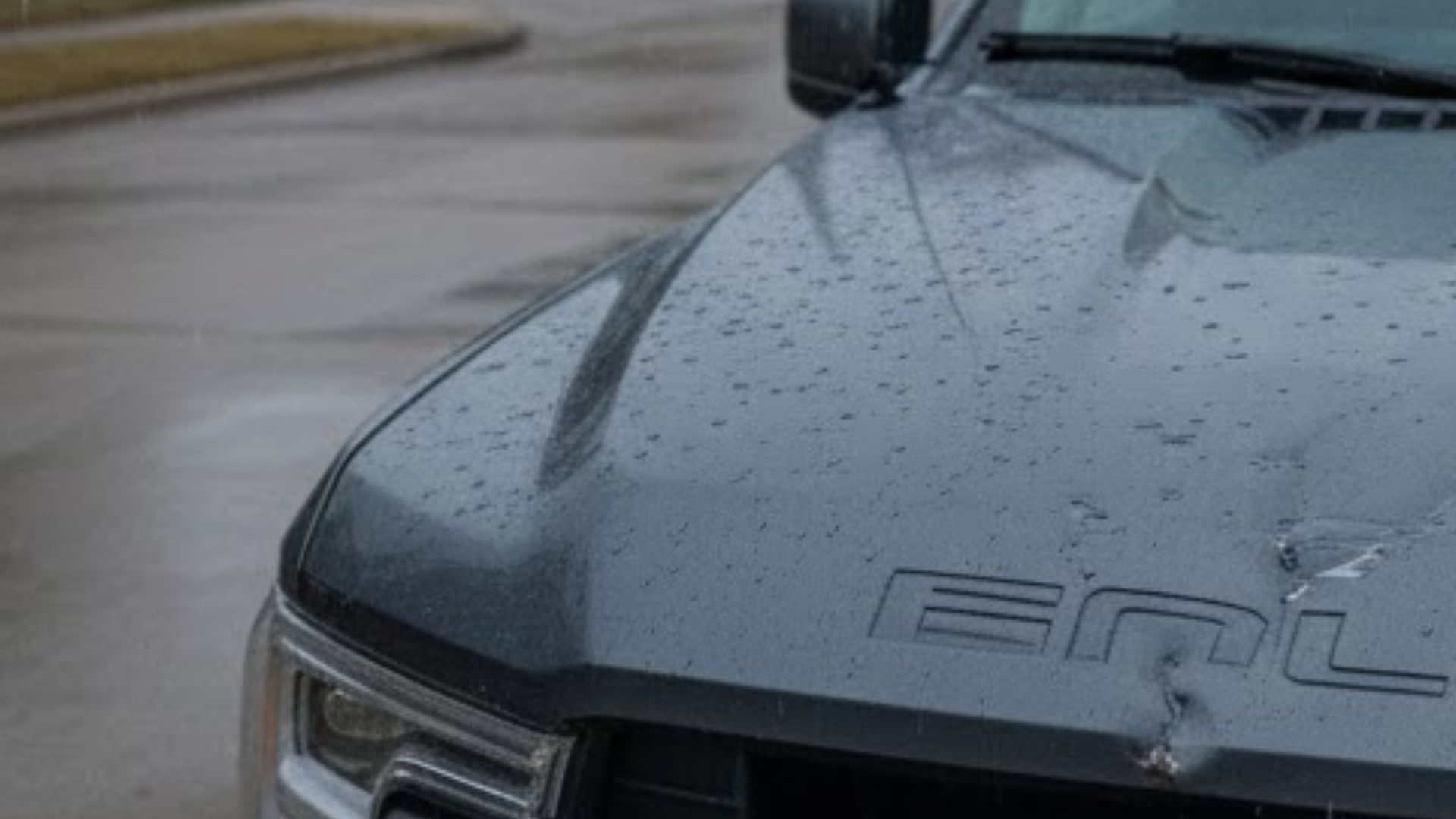
Hail Damage Insurance Claims in Texas: Step-by-Step
From the “Act of God” clause to the supplement process, we break down exactly how to navigate a Texas hail…