Call Us Today! (325) 701-9983

See the Different Ways to Repair Hail Damage on Your Vehicle
Back to Blog
Hailstorms can cause serious damage to your vehicle’s exterior, affecting everything from the hood and roof to doors and glass. Whether you’re dealing with light dings or severe panel damage, understanding your repair options is essential. At D & D Collision, we specialize in restoring hail-damaged vehicles using proven methods that ensure long-term value and performance.
Paintless Dent Repair (PDR)
Best for: Small to medium dents where the paint remains intact.
Paintless Dent Repair is one of the most efficient and cost-effective techniques for hail damage repair. It involves using specialized tools to carefully massage the metal back into its original shape without affecting the factory paint finish.
This method is ideal when the damage is minimal and the paint hasn’t cracked. It also helps retain the resale value of your car.
Traditional Dent Repair
Best for: Dents that have cracked paint or are too deep for PDR.
Traditional dent repair is a more involved process. It may include sanding down the damaged area, applying body filler, and repainting the surface to match the original color. This approach is necessary when the metal is stretched or the finish is compromised.
Our expert technicians use advanced paint-matching technology to ensure a seamless repair that restores your vehicle to pre-storm condition.
Panel Replacement
Best for: Severe hail damage beyond repair.
When a body panel has too many dents or has been structurally compromised, replacement may be the best solution. This is common with hoods, roofs, and trunk lids after significant hail events.
We source OEM or high-quality aftermarket parts and install them with precision. This method is usually recommended when the repair cost approaches or exceeds replacement value.
Glass Repair or Replacement
Best for: Cracked or shattered windshields and windows.
Hail can easily crack auto glass. Chips should be addressed quickly to prevent them from spreading. In many cases, small cracks can be repaired with resin, but if the damage is extensive, full windshield or window replacement may be required.
DIY Dent Removal
Best for: Very minor dents with no paint damage (not generally recommended).
While there are a variety of DIY dent removal kits on the market, these are generally not effective for hail damage. In some cases, at-home fixes can actually worsen the damage or void your vehicle’s paint warranty.
We recommend consulting with a professional before attempting any DIY repairs.
Does Insurance Cover Hail Damage?
Yes. If you carry comprehensive auto insurance, hail damage is typically covered under your policy. It’s important to document the damage with photos and file a claim as soon as possible following the storm.
Let D & D Collision Restore Your Vehicle
At D & D Collision, we offer free estimates, work directly with your insurance company, and use the latest tools and techniques to restore your vehicle quickly and professionally. Whether it’s minor hail dings or major panel replacements, our ASE-certified technicians are here to help.
Don’t let hail damage impact the safety or value of your vehicle. Contact us today to schedule an inspection and learn more about your repair options.
To compare the various methods we use—from specialized Paintless Dent Repair (PDR) to traditional bodywork—depending on the severity of the storm: CLICK HERE
Frequently Asked Questions: Methods of Hail Restoration
What is Paintless Dent Repair (PDR) and when is it the best choice?
Paintless Dent Repair (PDR) is our preferred method for the majority of hail damage. It is a highly specialized process where our technicians use custom tools to reach behind the vehicle’s panels and meticulously “massage” the metal back into its original shape. PDR is the best choice when the paint remains intact and uncracked. Because it requires no body filler or repainting, it is faster, more cost-effective, and—most importantly—it preserves your vehicle’s original factory finish and resale value.
When is “Conventional Repair” necessary for hail damage?
While we prioritize PDR, some hailstorms are severe enough to crack the paint or stretch the metal beyond its “memory” point. In these cases, we use conventional repair methods. This involves carefully sanding down the affected area, using high-quality body filler to restore the panel’s contour, and then performing a professional refinishing. We use advanced computerized color-matching technology to ensure that the new paint blends perfectly with the rest of your vehicle, making the repair virtually invisible.
Can you replace entire body panels if the hail was extremely large?
Yes. In extreme cases where a hood, trunk lid, or roof is so heavily “peppered” with deep dents that a repair would be more costly than a replacement, we perform a panel replacement. We prioritize using OEM (Original Equipment Manufacturer) parts to ensure that the new panels fit your vehicle’s frame with factory-level precision. This method ensures that the structural integrity and aesthetic lines of your vehicle are fully restored to pre-accident condition.
How do you handle broken glass and damaged trim pieces?
Hail often claims more than just the metal panels of a car. It can shatter windshields, crack taillights, and dent chrome or plastic trim. At D & D Collision, our hail restoration is comprehensive. We handle full glass replacement and ensure all seals are water-tight. We also replace any damaged moldings or trim pieces using high-quality parts. Our goal is a “total restoration,” meaning every single sign of storm damage is erased before we return your keys.
Recent Blogs

Collision + Hail Damage: Which Repair Comes First?
A double whammy of a wreck and a storm can be overwhelming. We explain the “safety first” sequence for fixing…

Does Hail Damage Reduce Your Car’s Value?
A few dents can cost you thousands in trade-in value. We explore how hail damage affects depreciation and why professional…
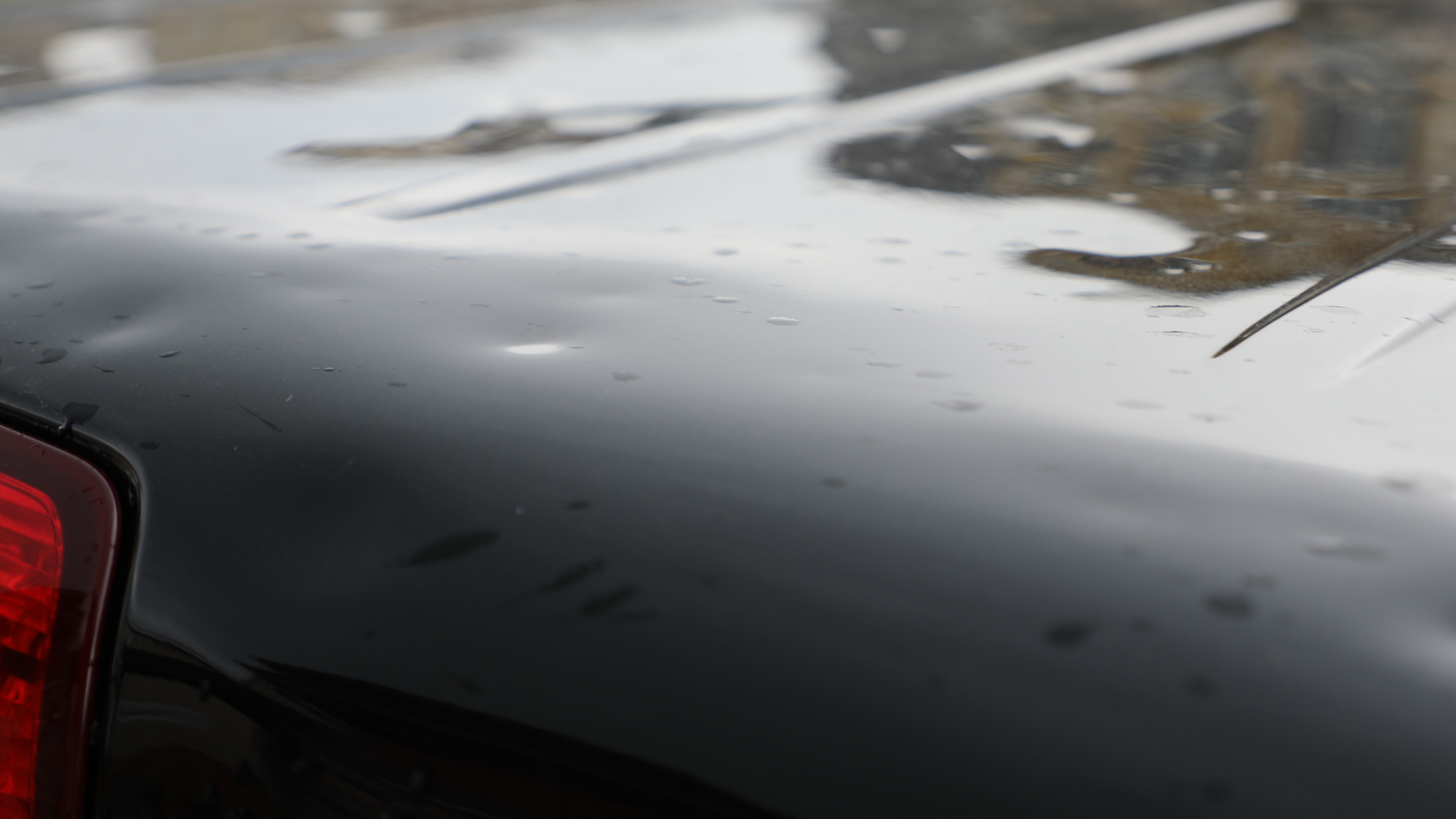
PDR vs. Traditional Hail Damage Repair: Which Is Better?
Is Paintless Dent Repair always the best choice? We compare PDR and traditional bodywork for hail damage, helping you understand…
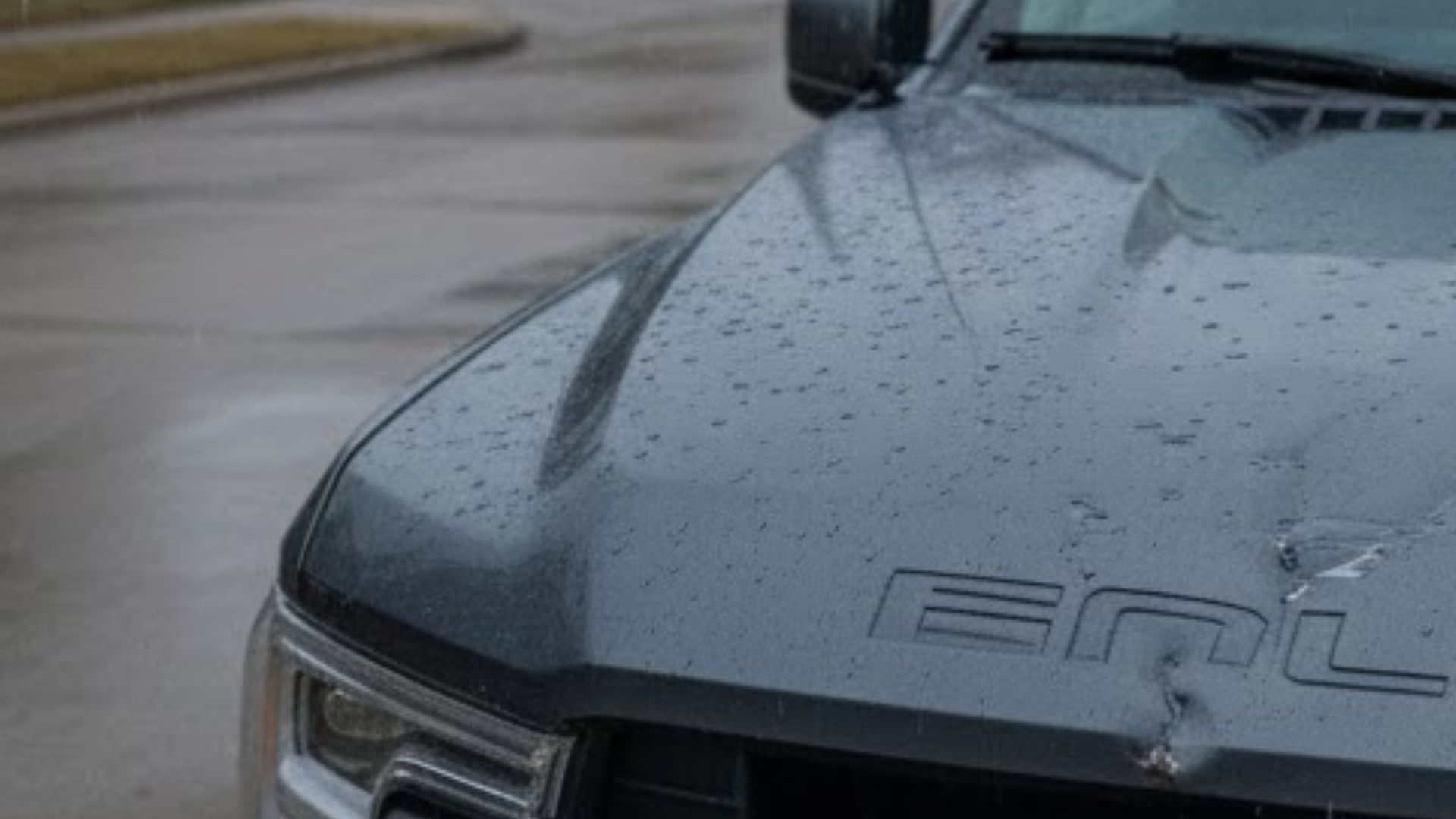
Hail Damage Insurance Claims in Texas: Step-by-Step
From the “Act of God” clause to the supplement process, we break down exactly how to navigate a Texas hail…

Can Hail Damage Cause Rust? Why Fast Repair Matters
It’s not just a dent; it’s a vulnerability. We explain the science of how hail impacts lead to rust and…
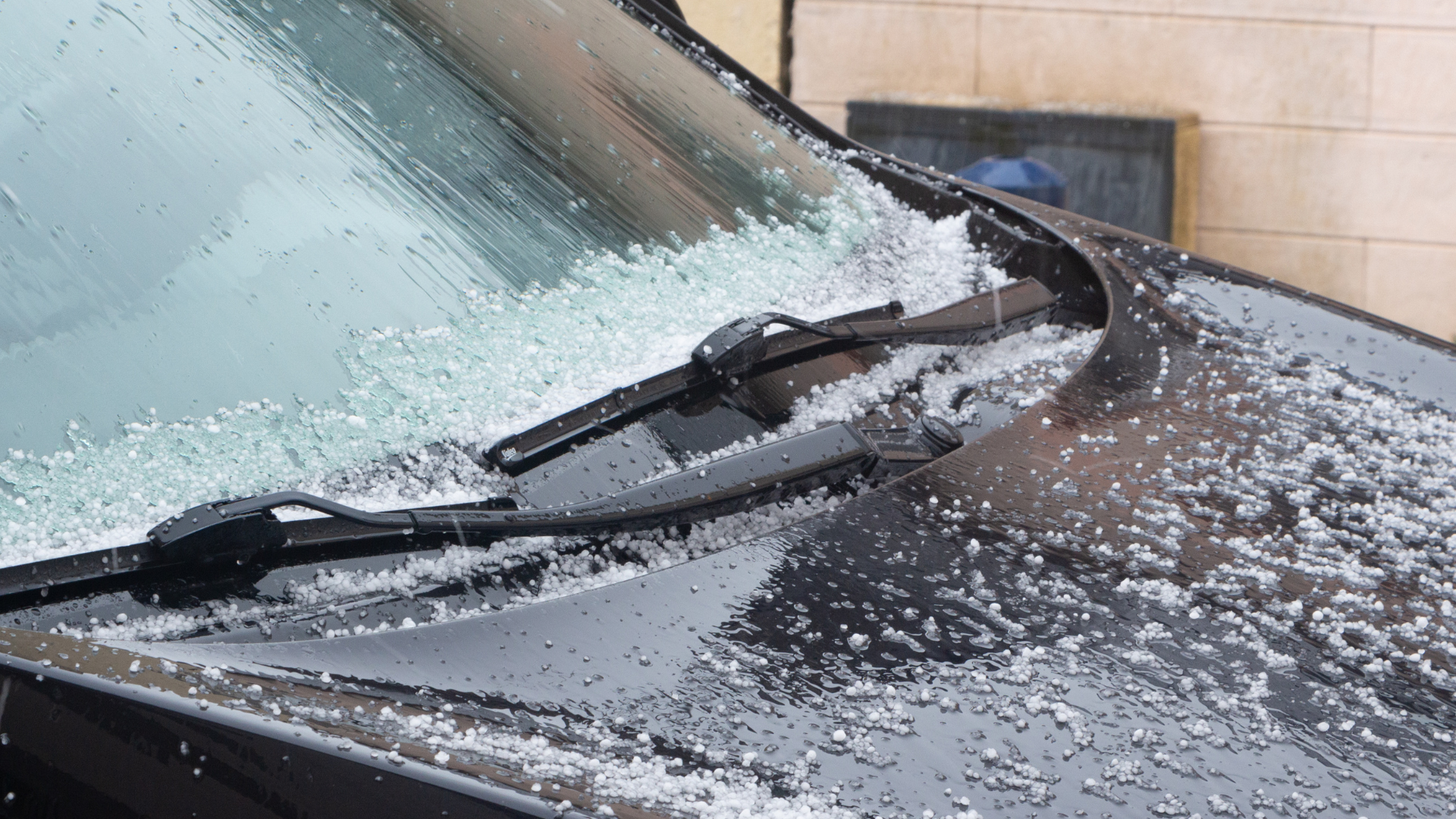
Hail Damage vs. Door Dings: How to Tell the Difference
One dent or a hundred? We show you how to spot the difference between common parking lot dings and weather-related…